Making Marie Antoinette — NYFF Review
Source: Mubi
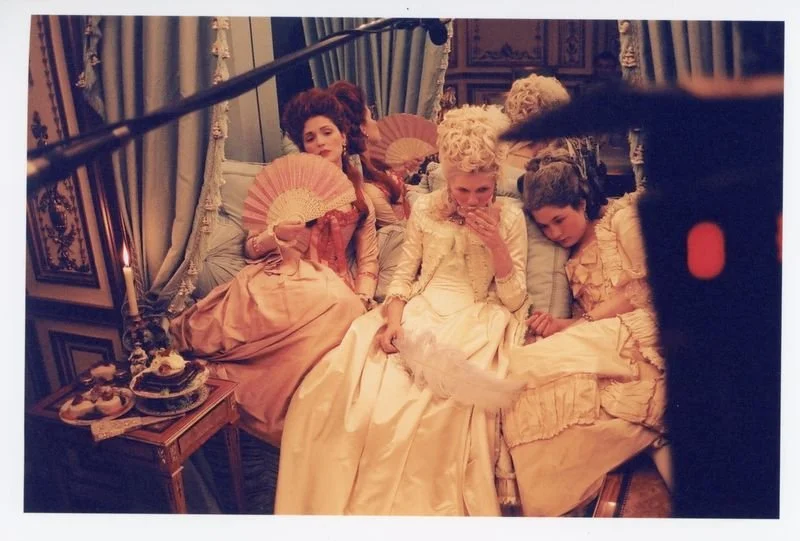
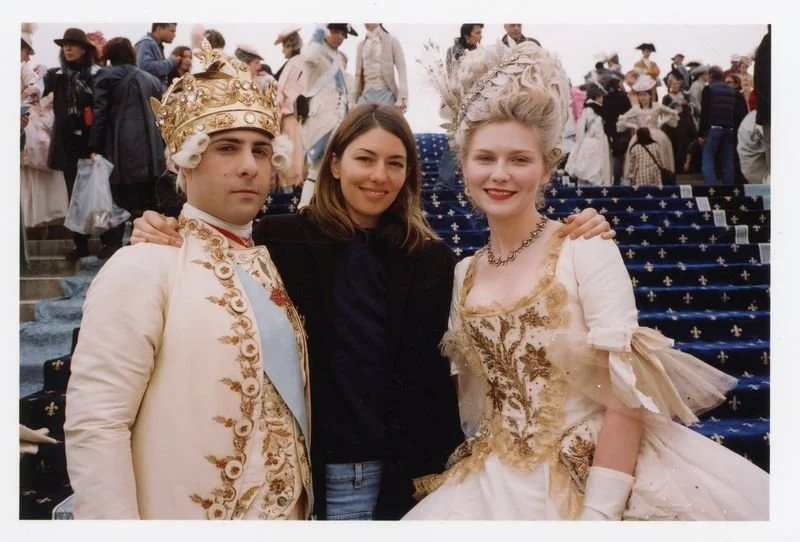
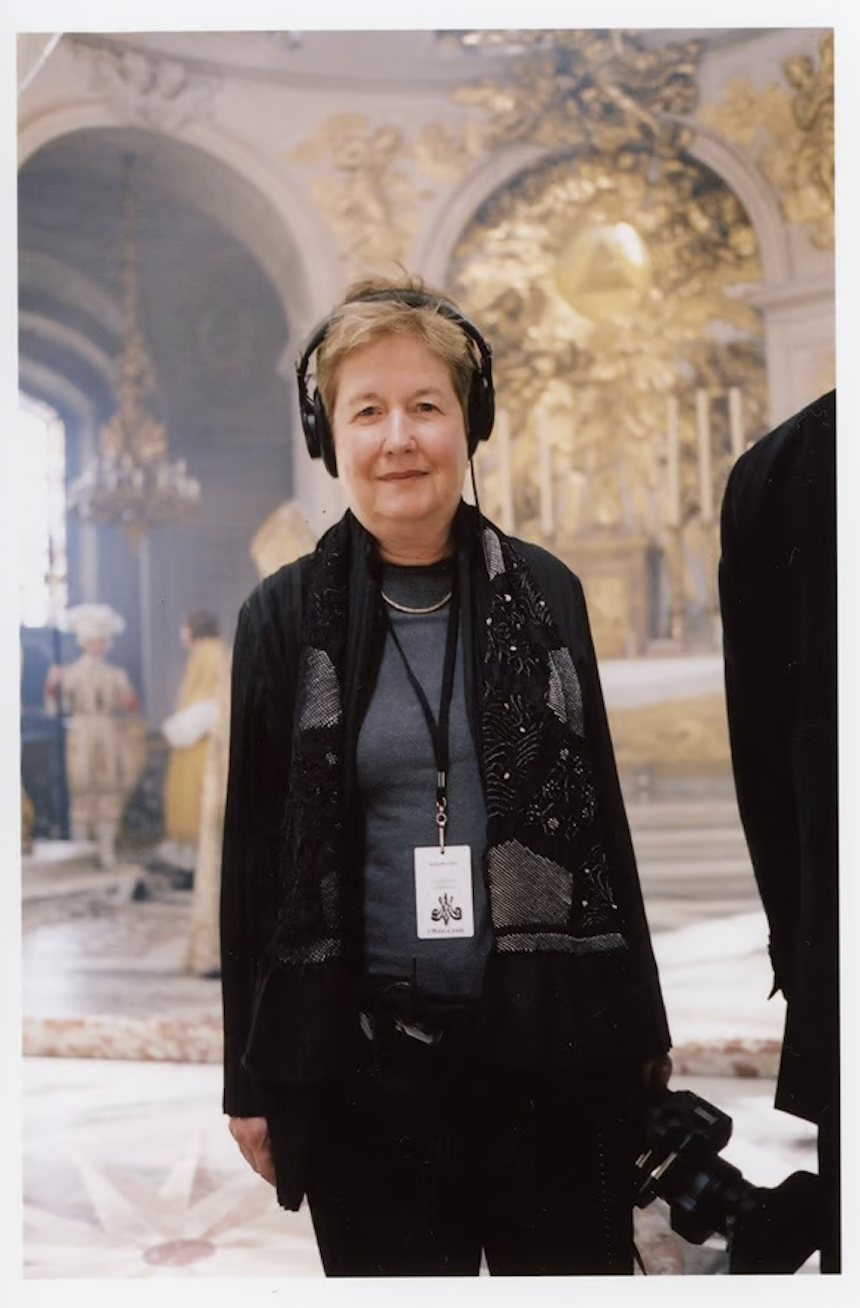
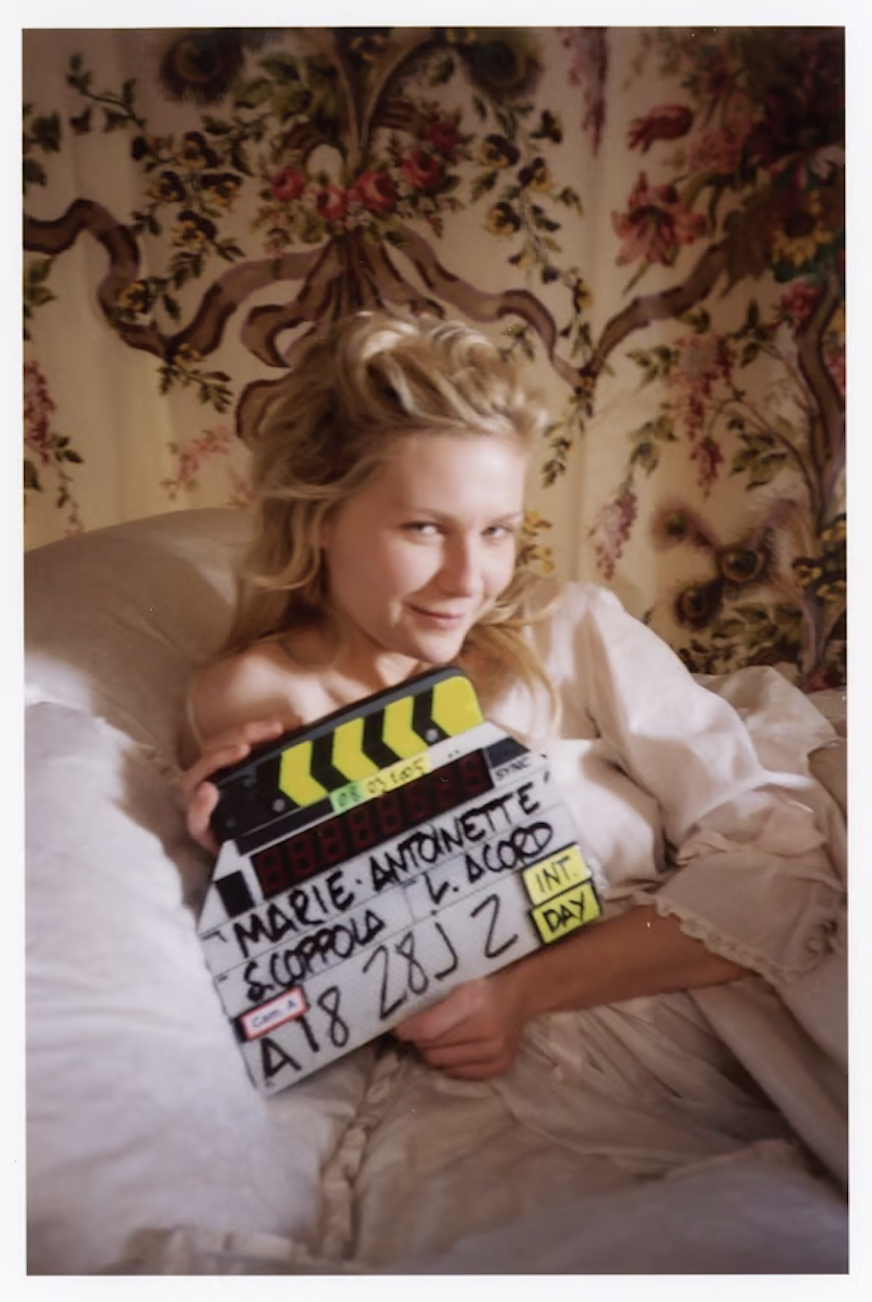
In 2005, Eleanor Coppola shot nearly 80 hours of footage on the set of her daughter Sofia Coppola’s film Marie Antoinette. According to her journal, Eleanor always intended to return to the material and assemble it into her own “look behind-the-scenes at the exquisite beauty created to realize the movie.” During lockdown in 2020, the mother-daughter duo began going through the footage together. Unfortunately, Eleanor passed away in 2024, but Sofia and her team continued working on the film and completed it in her memory. The result is more than a mere behind-the-scenes look at an extravagant film production. Seen through Eleanor’s eyes, the footage feels deeply personal. It documents not only how a movie was made, but also a mother proudly watching her daughter work and create. What emerges is an unexpectedly moving portrait of the relationship between mother and daughter, woven into the beauty and excess of Marie Antoinette itself.
Source: Mubi
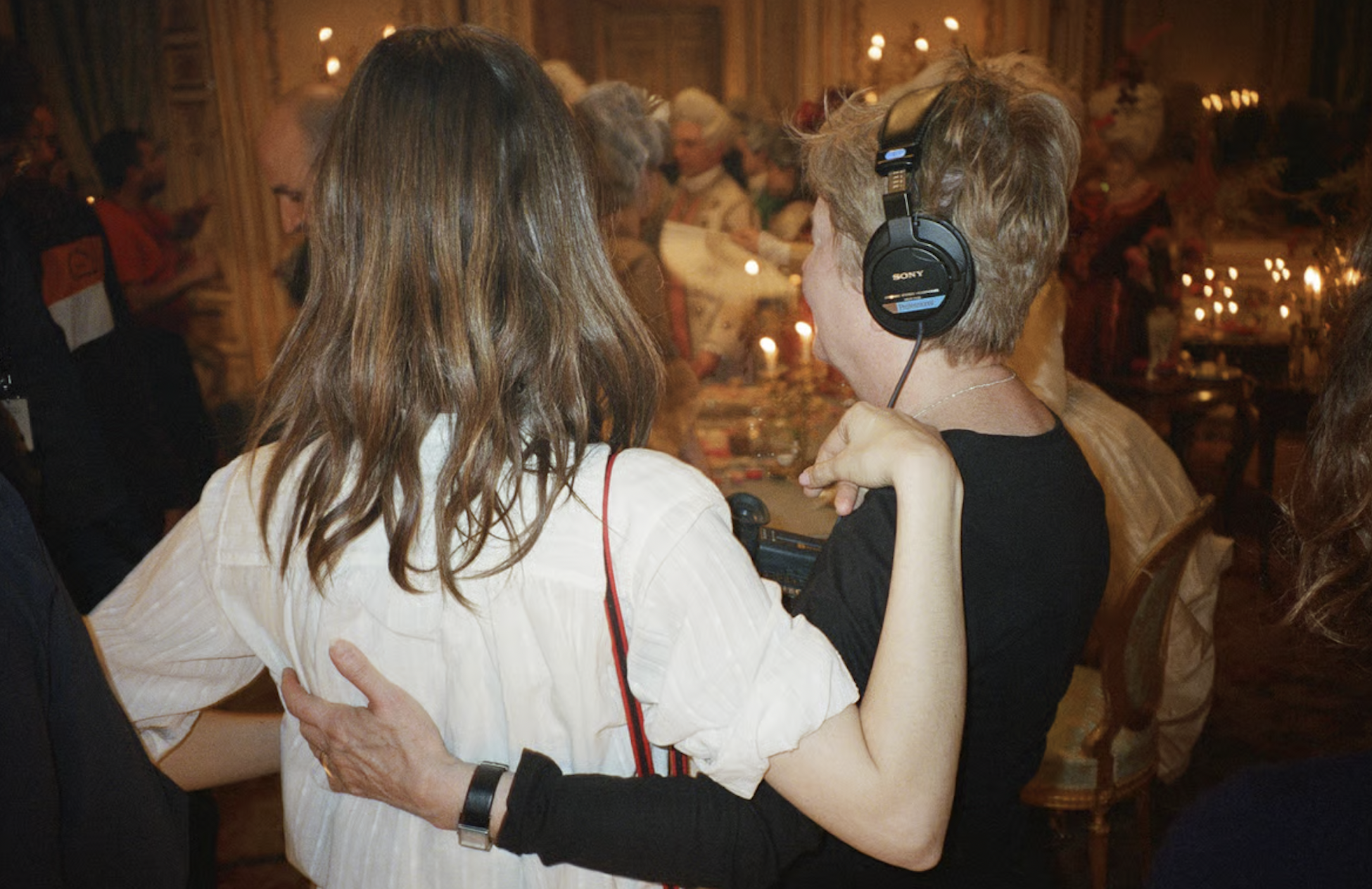
What sets Making Marie Antoinette apart from other behind-the-scenes documentaries is that the person wielding the camera is the filmmaker’s mother. Her unique vantage point makes the footage feel far less detached, imbuing it with a warmth and affection that is rare for a making-of documentary. Moreover, the incorporation of Eleanor’s journal entries from the production, narrated by Diane Lane, offers an intimate glimpse into her experience of watching her daughter bring the film to life. Making Marie Antoinette puts us squarely in a mother’s shoes, allowing us to share Eleanor’s worries as she wonders whether her daughter has taken on a project that may be too lofty for her to handle, or her concern when she notices signs that her daughter is falling ill. Nevertheless, alongside that worry is an unmistakable sense of pride and admiration. We witness her marvel at the world that Sofia has created and bask in the delight of observing her daughter do what she loves.
Source: Mubi
While Sofia’s decision to blend classical music with anachronistic pop in Marie Antoinette was met with both praise and criticism, Aaron Maine’s score for Making Marie Antoinette fits the film’s tones and emotions without drawing too much attention to itself or becoming overly flashy. Sofia’s stylistic choices underscore the generational differences between mother and daughter, but Eleanor never seems to criticize or judge her daughter’s directorial decisions. Instead, she approaches Sofia’s work with a sense of wonder, in awe of her daughter’s artistic ambition. There’s something magical about seeing Sofia’s vision come together through her mother’s eyes.
Source: Mubi
As the wife of Francis Ford Coppola, Eleanor was no stranger to film sets. She even provided the documentary footage for Fax Bahr and George Hickenlooper’s Hearts of Darkness: A Filmmaker’s Apocalypse (1991), about the making of her husband’s 1979 film Apocalypse Now. Still, something special happens when you see the bond between mother and daughter unfold through the act of filmmaking. Much like Marie Antoinette itself, the documentary feels like a celebration of femininity and womanhood. As Eleanor reflects, “I treasure the experience of being with Sofia in her world. There are so few women’s voices in the film industry. Only a fraction of directors are women. I appreciate Sofia’s determination and her pushing against boundaries in this profession dominated by men.” There’s also a sense of mutual learning and inspiration in their relationship. Eleanor recounts Sofia’s ambition as a child, and how she always tried to instill in her daughter the belief that she could do anything she wanted. However, that influence worked both ways, as Eleanor also learned from and drew inspiration from her daughter. In 2016, at the age of 80, she became the oldest woman in cinema history to make her debut feature film with Paris Can Wait, which she wrote, directed, and produced. The film coincidentally stars Diane Lane, making her an apt choice to narrate Eleanor’s journals in this documentary.
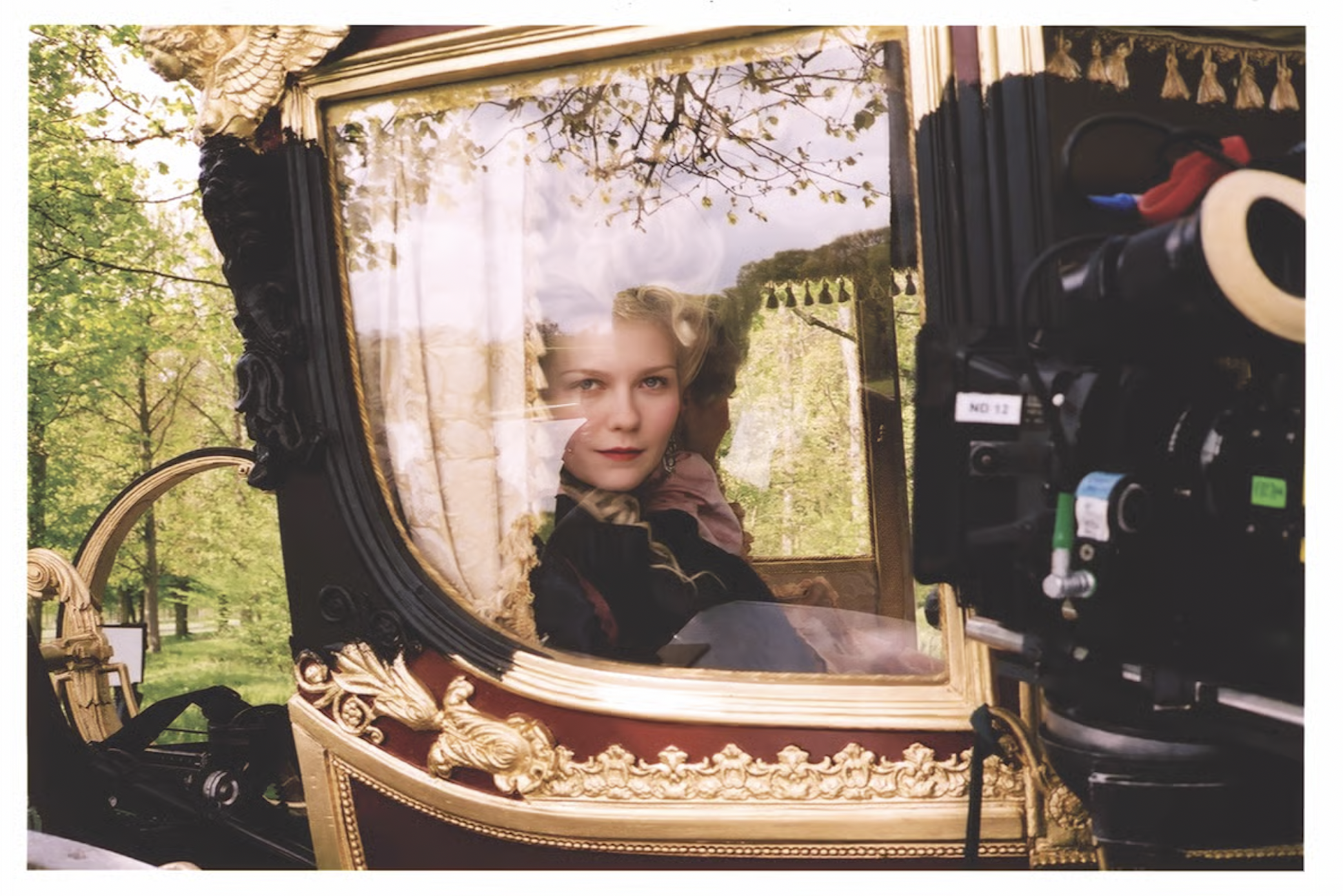
At one point, Eleanor ponders whether she should pursue her own creative endeavor instead of simply observing the work of her talented family, but an undeniable artistry shines through in Making Marie Antoinette. Her footage, as well as her journal entries, reveal the eye and sensibility of an artist. What she labels as observation is in itself a form of creative expression. She isn’t merely a fly on the wall, documenting the production in a detached cinéma vérité style. So much is communicated through the quick glances toward the camera, followed by subtle smiles and playful winks. These fleeting exchanges convey the zeal and amiability of the people behind the film, but they also reveal something important about Eleanor herself: how she is a woman with a keen eye for human connection and an instinct for preserving the smaller moments that often go unnoticed.
Source: Mubi
As Eleanor reflects on Sofia’s childhood, she recalls how, on the set of Apocalypse Now, Sofia would play director, yelling “action" and pretending she had a camera in her hands. Eleanor traces her growth into adolescence, when their relationship became more complicated: “Moments in Sofia’s adolescence when she had rejected me. I felt such pain. Though I knew she needed to separate from me to become her own person. With her own artistic vision. 2004 at the Oscars, Sofia wins and thanks me for always encouraging her to make art.” This journal entry beautifully conveys the symbiotic nature of their relationship. Eleanor encouraged Sofia’s creativity from an early age, but she also understood that her daughter needed space to develop a voice of her own. Their relationship is one of mutual inspiration: they learn from one another while giving each other the freedom to grow as artists in their own right.
Eleanor’s observation that “perhaps making movies is a step toward being able to move backward and forward and in and out of linear time” takes on a deeper meaning in the context of the documentary. Her footage and journal entries feel like a time capsule, transporting us back 20 years to the making of Marie Antoinette as though we were there alongside her. We aren’t simply watching archival footage; we’re traveling through Eleanor’s memories. Making Marie Antoinette serves not only as a record of the production of Sofia’s film, but also as a portrait of Eleanor herself—preserving her personality, perspective, and how she experienced the world around her.
Source: Mubi
It may have taken 20 years for the behind-the-scenes footage of Marie Antoinette to finally become the documentary Eleanor Coppola set out to make, but it was well worth the wait. Over the years that passed, the film evolved into something far more profound than its original conception. Eleanor’s camera captures Sofia Coppola at a pivotal moment in her career, but it also depicts the beauty of a mother watching her daughter grow as an artist. What began as an effort to document the making of her daughter’s movie ultimately transformed into a portrait of their relationship—and of Eleanor herself. Through her footage and journals, she left behind more than a record of a film being made; she left behind a record of the love, pride, and admiration she felt watching her daughter do what she does best.
Making Marie Antoinette will be released in the United States on October 23, 2026.