Toy Story 5 — Review
Source: Pixar
The problem with so many modern-day sequels is that they rarely do enough to justify their existence, often feeling like shameless cash grabs that resort to recycled storylines. That's part of what has always made the Toy Story films so refreshing: they consistently find a new story that has something meaningful to say. The lengthy gaps between installments are a testament to that. If Pixar were simply interested in cashing in on the franchise, we'd likely be getting a new Toy Story movie every year or two. Instead, the studio takes its time, only returning to these characters when it has a story it genuinely believes is worth telling. When Andrew Stanton’s Toy Story 5 was announced, many people's first reaction was, "Do we really need another one?" In an era where childhood looks radically different from what it did when the franchise began, the answer is a resounding yes.
Source: Pixar
It's impossible to revisit the early Toy Story films without thinking about how much childhood has changed. Many children don't play with toys in quite the same way previous generations did, and screen time has become one of the defining dilemmas of modern parenting. Parents want their children to spend time outdoors, use their imaginations, and simply enjoy being kids while they're young. At the same time, they don't want them to feel excluded in a world where so much social interaction revolves around phones, tablets, and other devices. Finding a balance between screen time and genuine play has become increasingly difficult, which makes Toy Story 5 feel remarkably relevant. Rather than taking the easy route and villainizing technology, the film offers a far more nuanced perspective.
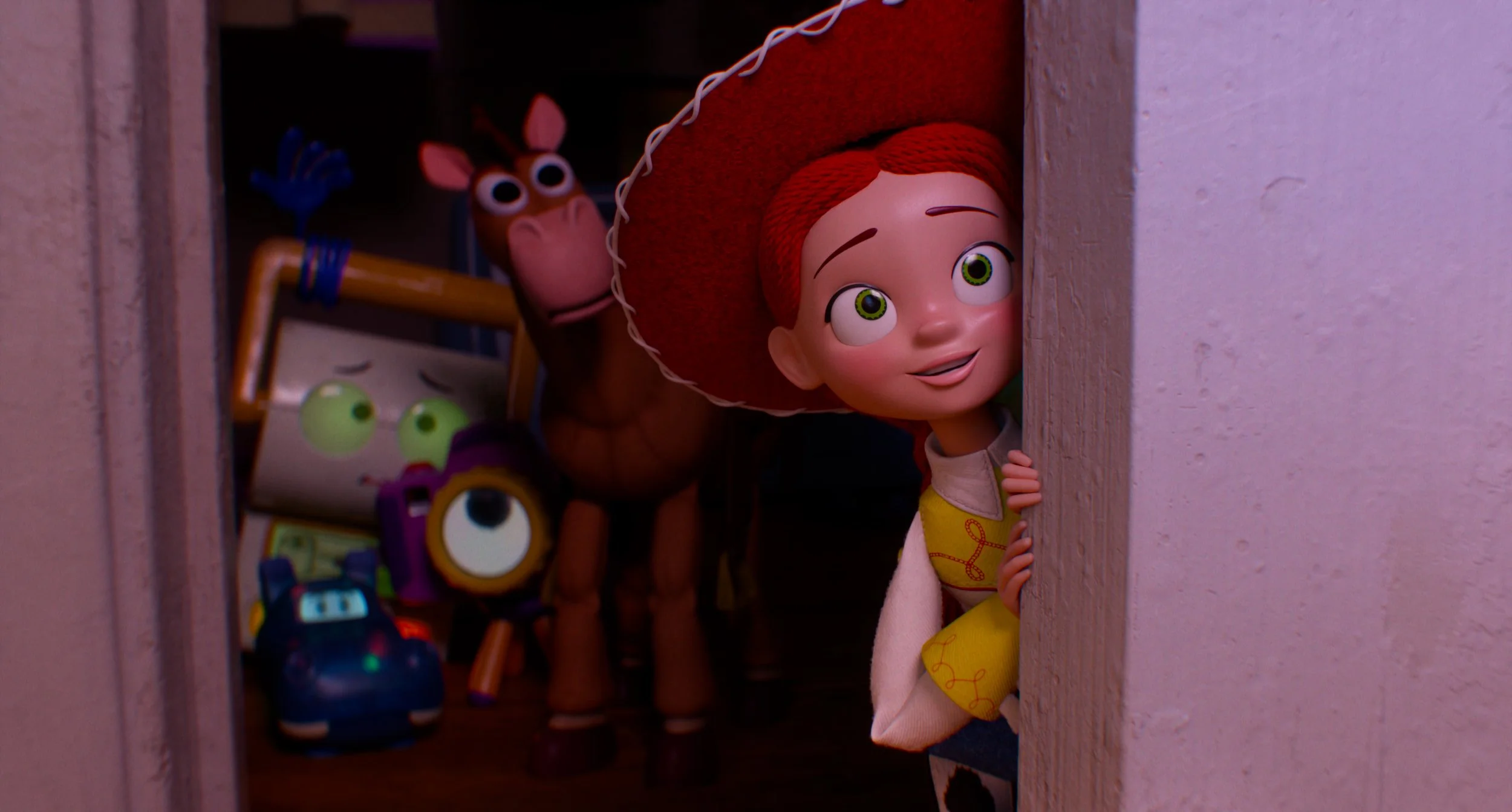
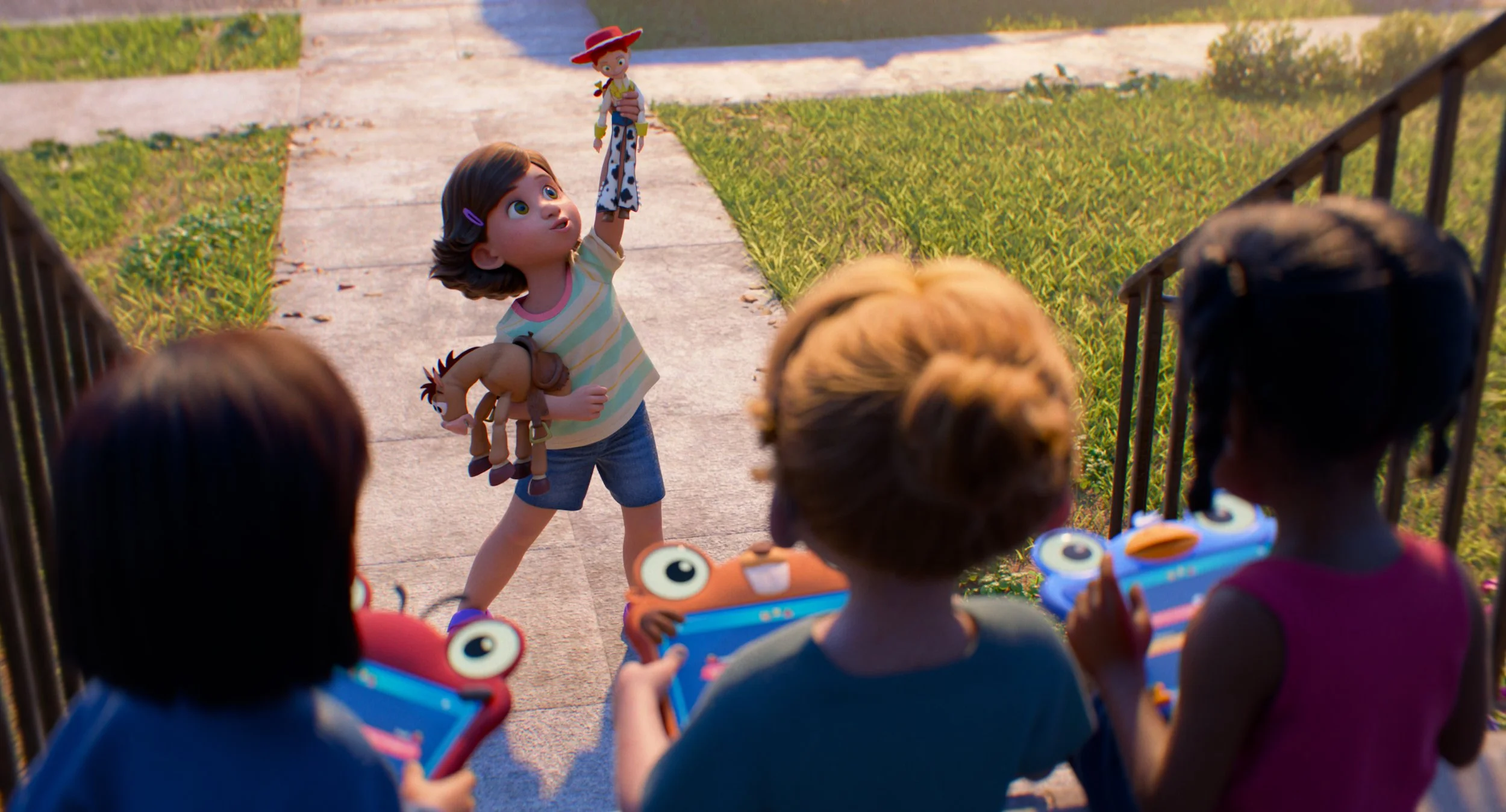
The film picks up with Bonnie (Scarlett Spears) struggling to make friends, a problem Jessie (Joan) is determined to solve. Jessie and the gang soon discover that many children Bonnie's age are more interested in their Lilypad devices than in traditional play, making it increasingly difficult for her to connect with her peers. Her parents eventually cave in and get her a Lilypad, or Lily (Greta Lee) as the toys call her. As Bonnie becomes increasingly attached to her new device, the toys embark on a journey to help her reconnect with her imagination and form a genuine friendship.
Source: Pixar
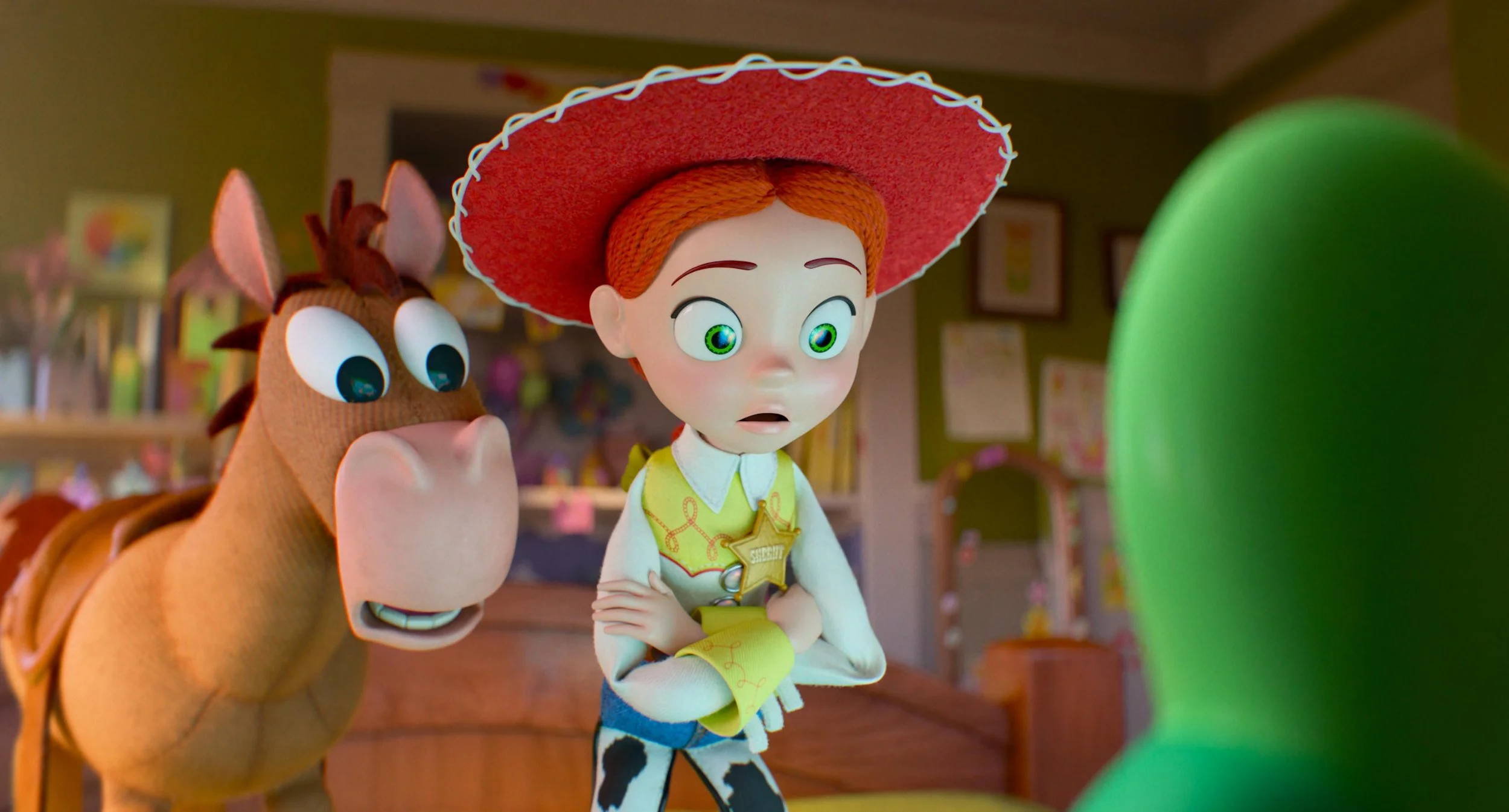
Andrew Stanton and Kenna Harris’s screenplay is one of the film’s greatest strengths. The decision to make Jessie the lead this time around is a brilliant one. She’s always been one of the franchise’s most compelling characters, yet she’s rarely been given the spotlight since her introduction in Toy Story 2. Her storyline is deeply moving, and even though I could see some of its biggest revelations coming, they still left me in tears. Yet for all its emotional weight, the film is also genuinely funny. Every time I found myself tearing up, it would make me laugh moments later—not in a way that diminished or cheapened the heartbreak, but in a way that felt like a comforting hug. It’s that balance of humor and sincerity that has always defined Toy Story at its best.
Source: Pixar
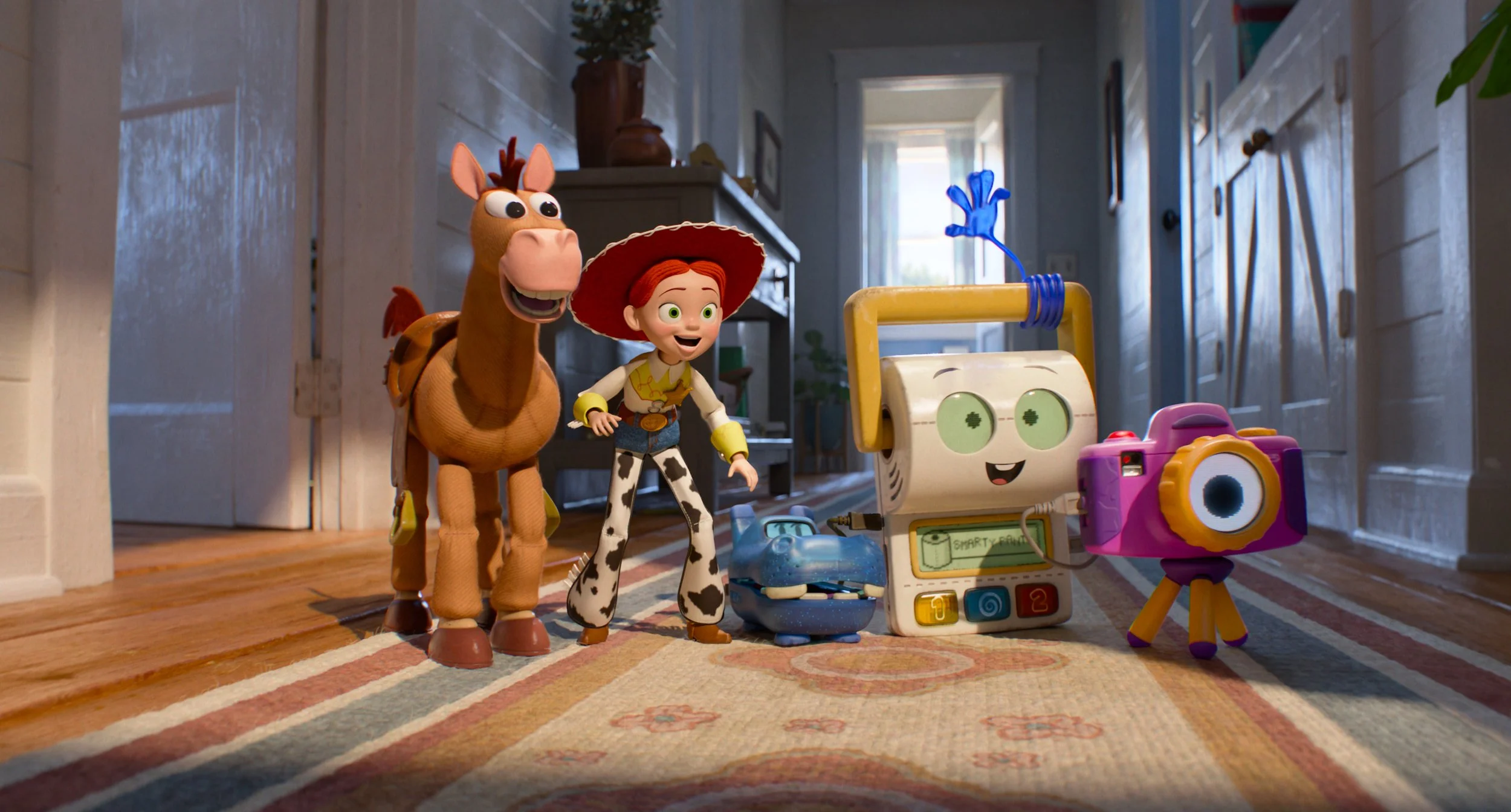
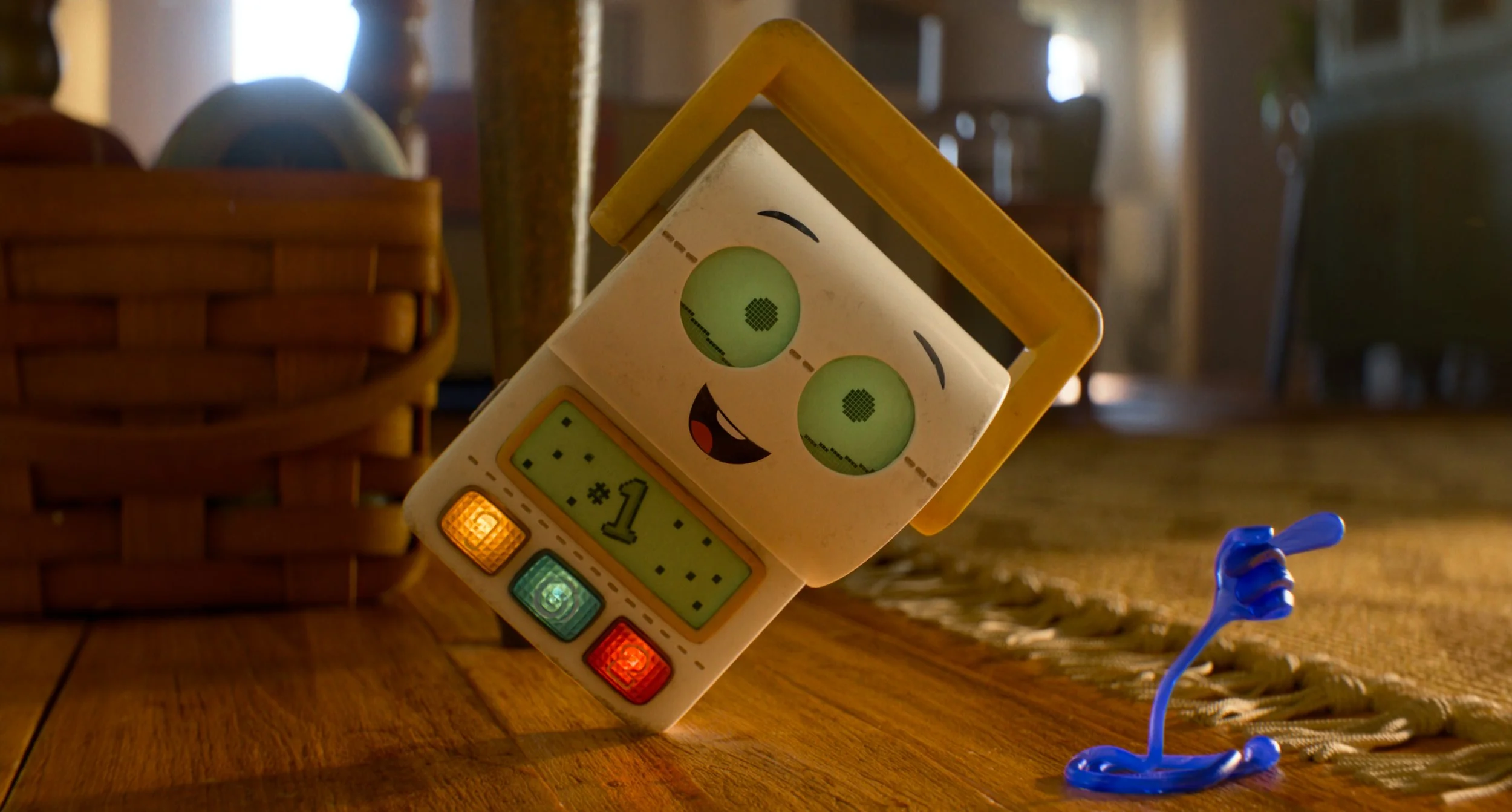
The animation is gorgeous. This installment introduces a new visual style for the film’s make-believe moments. These sequences almost look as though they were drawn with crayon, with a dream-like quality, as if they’ve come directly from a child’s fantasy. It perfectly captures the creativity and spontaneity of a child’s imagination while playing make-believe. The shift in style is so whimsical and fun that I wish they had incorporated it in the previous films as well. Randy Newman’s score is as nostalgic and effective as ever. The vocal performances are equally strong, with Joan Cusack finally getting her long-deserved time to shine as Jessie. Conan O’Brien also steals every scene he’s in as Smarty Pants, a toilet-training tech toy who provides much of the film’s comedic relief.
Source: Pixar
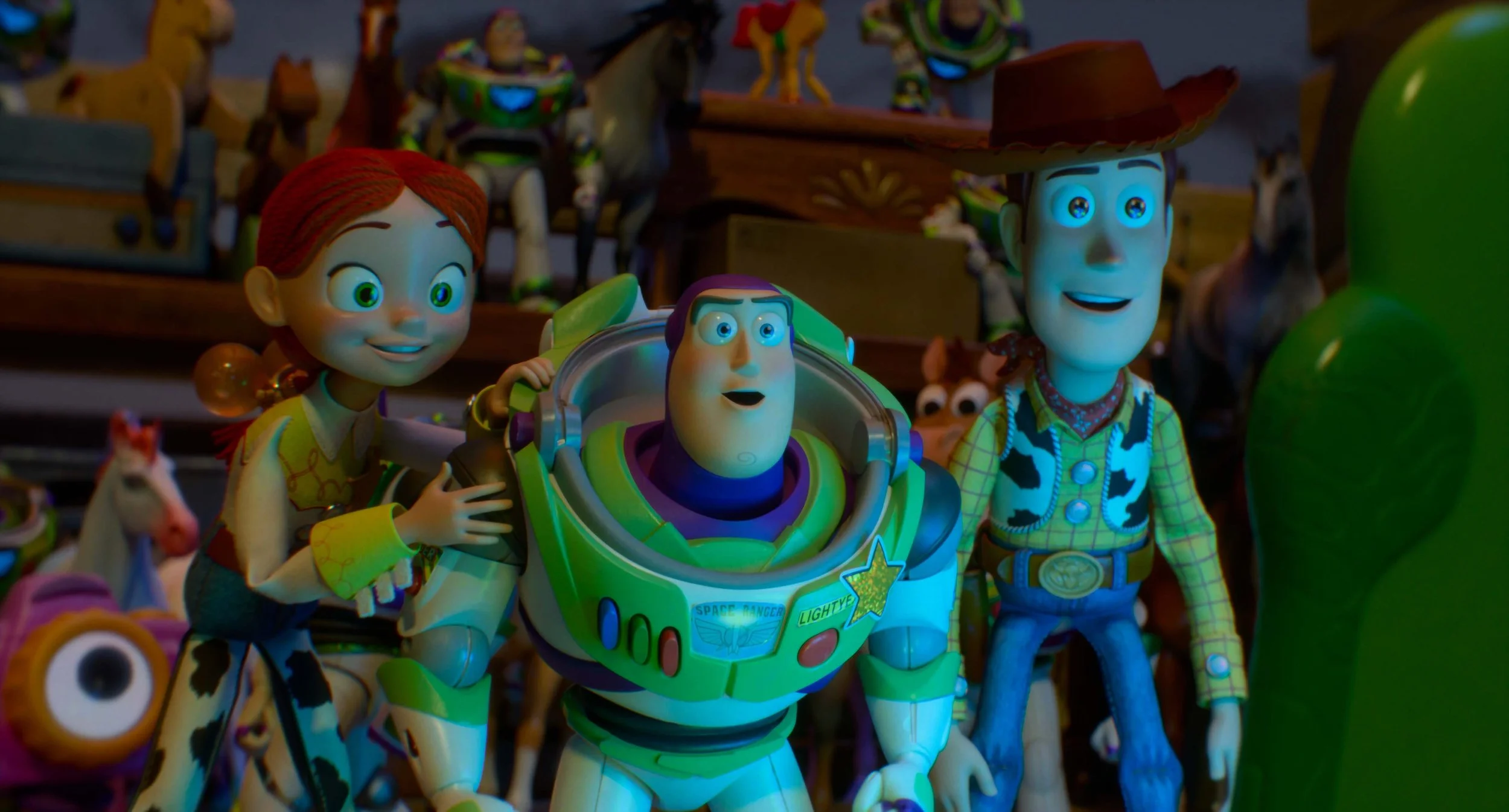
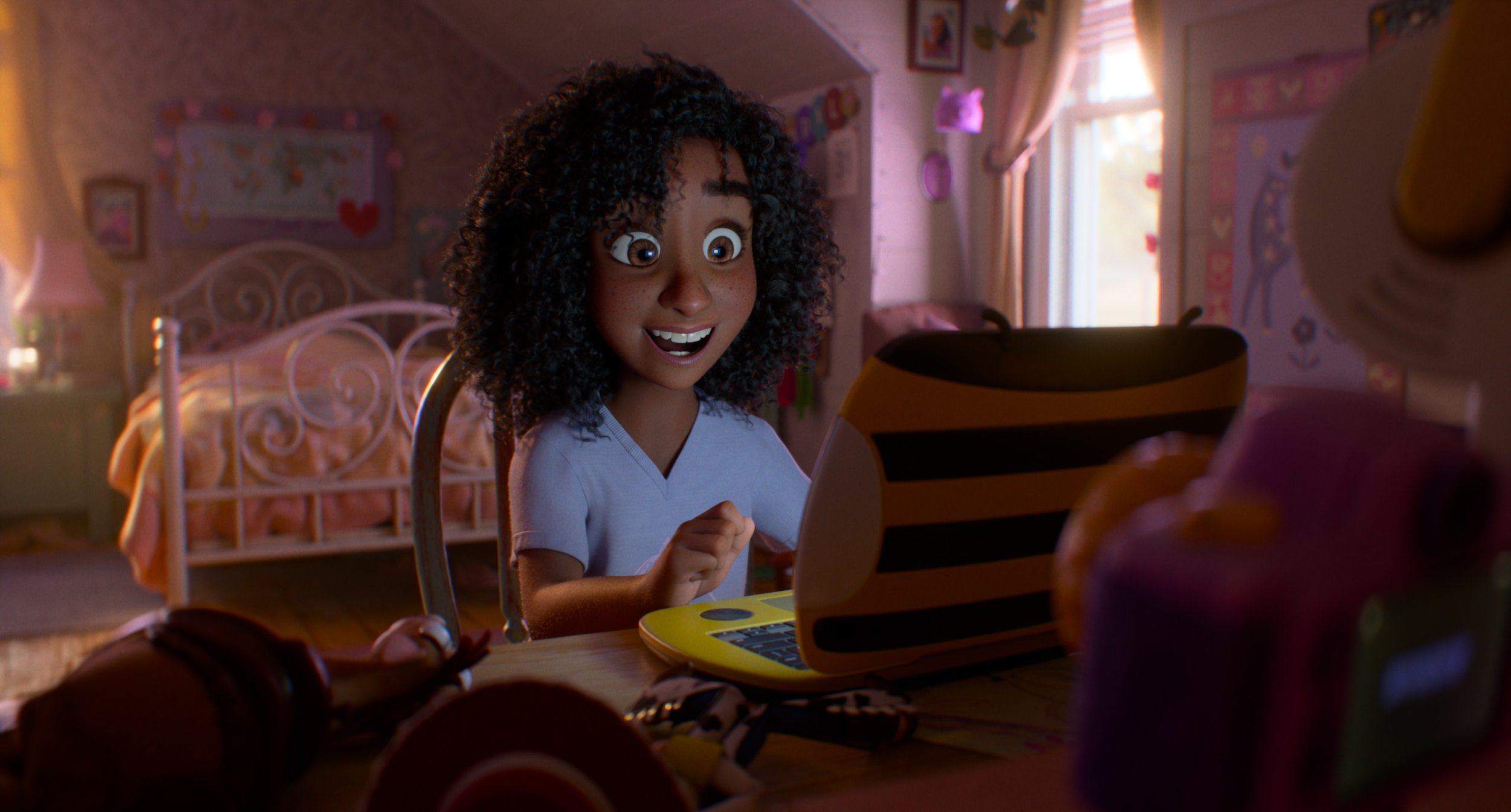
Some viewers may find the film's sprawling cast and numerous storylines a bit overwhelming. In addition to Smarty Pants, the story introduces Atlas (Craig Robinson), a GPS toy, and Snappy (Shelby Rabara), a toy camera. There are also several new human characters, including Blaze (Mykal-Michelle Harris), an eight-year-old girl who loves horses, lives in Bonnie's neighborhood, and proves to be a welcome addition to the franchise. Yet despite the number of moving pieces, the film does an impressive job weaving its various storylines together. What initially feels like a collection of separate character arcs gradually converges into a cohesive and emotionally satisfying narrative. Despite the influx of new faces, the film never loses sight of the characters audiences have loved for decades. Fans of Woody (Tom Hanks) and Buzz Lightyear (Tim Allen) need not fret, as both return here, even if Woody takes more of a backseat this time around. Buzz fans, meanwhile, will likely be delighted by an army of Buzz Lightyear toys that first appears in the opening sequence and reappears throughout the film, delivering some of its biggest laughs.
Source: Pixar
I know a lot of people say “I grew up with these movies” when talking about the Toy Story franchise, but I quite literally did. I was the same age as Andy—a kid playing with toys—when the first film was released. When the second film debuted, I was still a kid but felt like I was outgrowing toys, much like Emily outgrew Jessie. The third film, where Andy graduates from high school and goes off to college, hit theaters on the exact date of my final day of high school. I had my doubts about the fourth film. When I saw the trailers, I thought a spork as a character was a terrible idea. But Forky ended up being the character that resonated with me the most. In 2019, I felt like I was having an existential crisis and didn’t know what I was doing with my life, much like Forky’s struggle to understand his purpose.
The fifth film will definitely hit close to home for parents, so I didn’t expect it to resonate with me since I don’t have children. I’ve thought a lot about what I would hypothetically do as a parent regarding the dilemma of screen time. I would want my child to use their imagination and creativity. I wouldn’t want them to have a childhood defined by screens, but at the same time I wouldn’t want them to be left behind or feel like an outcast because all their peers are online. Even so, as someone without children, I wasn’t prepared for Toy Story 5 to resonate with me in the way that it did.
Source: Pixar
Jessie and the toys grapple with potential obsolescence, so the themes revolving around aging, fear of change, and irrelevance certainly struck a chord. However, the film is also about the struggle to connect. Once it became clear that it would also focus on Bonnie’s difficulty making friends, I knew it would affect me on a far more personal level. I was very much like Bonnie growing up—playing with my dolls, inventing vivid and bizarre scenarios for them, but hiding behind my mother’s legs whenever I was introduced to another kid. I felt “different,” and I desperately wanted to make friends, but I was also painfully shy and didn’t know how to fit in. Many of Bonnie’s experiences in this film felt deeply familiar, and they were what ultimately made the film so heartbreaking for me.
At its core, Toy Story 5 is about two intertwined fears: the fear of being left behind as the world changes, and the fear of not being able to connect within that world. It isn’t a reductive battle of tech vs. toys. Instead, it argues that there’s a way for both to coexist, that it’s possible to strike a balance between imagination and modern life. The film understands that technology can be a valuable tool for connection, but it can never replace genuine human interaction or imagination. Toy Story 5 is ultimately a heartwarming tale about growing up and growing older while still trying to hold on to and cherish what makes childhood so special: creativity, wonder, and meaningful connection.
Toy Story 5 hits theaters on June 19, 2026.