The Odyssey — Review
Source: Universal Pictures
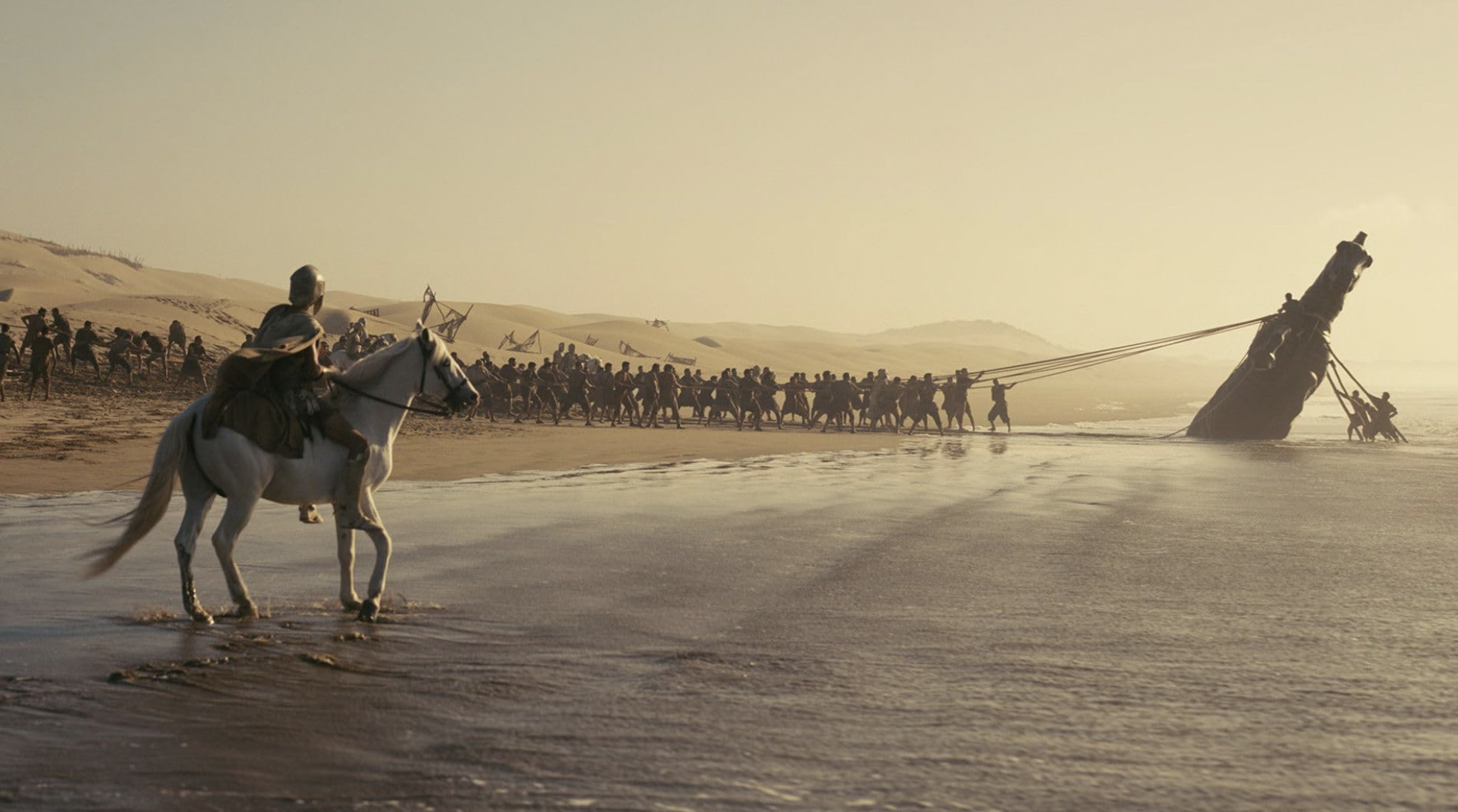
The most ironic thing about the reaction to Christopher Nolan's The Odyssey is that so many people are treating Nolan like a god when one of the film's most significant lines is Odysseus' warning: "Don't look for gods in men; you'll just be disappointed." For years, it has felt as though audiences have placed Nolan on a pedestal. Elevating any filmmaker to that status ultimately does a disservice not only to the artist, but also to ourselves, because it discourages us from engaging with their work critically. Prior to seeing the film, I came across early reactions that hailed The Odyssey as one of the greatest films ever made, as if we were witnessing cinematic history in real time. To be fair, the film does represent a substantial technical achievement as the first feature film shot entirely on IMAX film cameras. However, that accomplishment alone does not make it a masterpiece. While people are entitled to their opinions, I disagree with the hyperbole surrounding the film. The highest praise I would award Nolan's adaptation is that it may be one of the best versions of Homer's Odyssey ever brought to the screen. That said, I suspect I would have been more impressed by Nolan's film if I were less familiar with Homer's epic.
Source: Universal Pictures
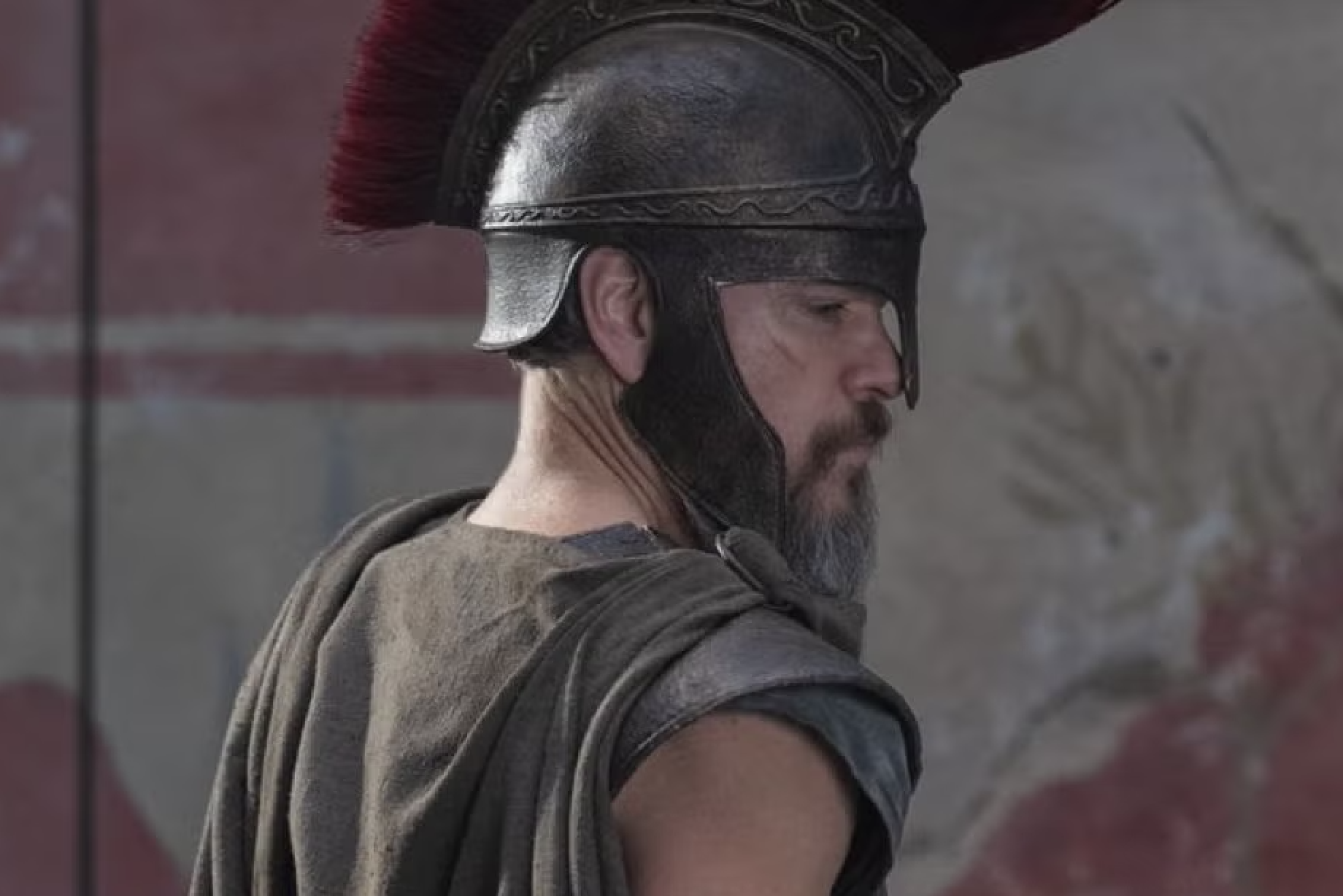
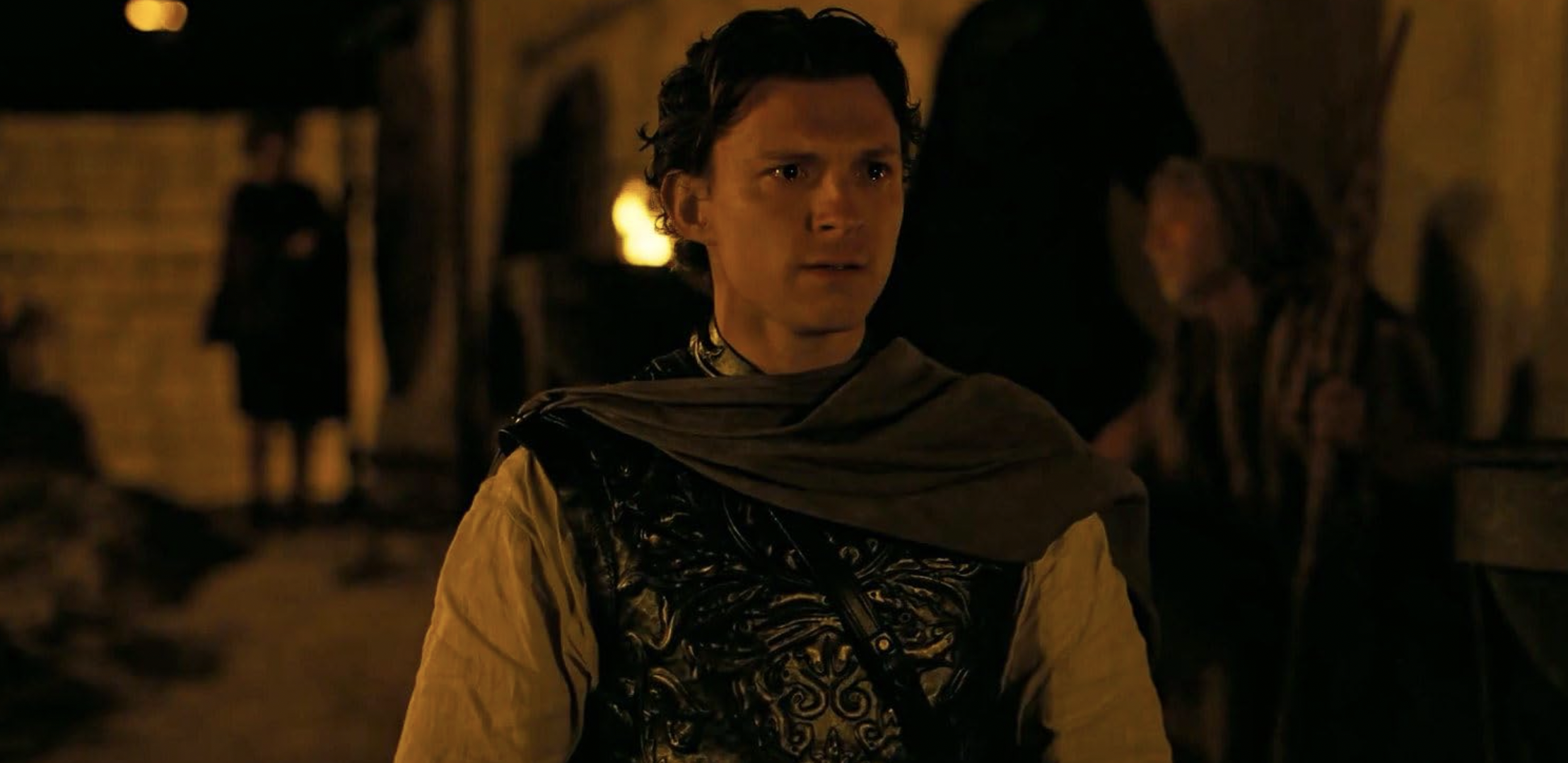
The Odyssey follows Odysseus (Matt Damon), the king of Ithaca, as he embarks on a perilous voyage home following the Trojan War. Odysseus has been gone for years, and his wife, Penelope (Anne Hathaway), must fend off a barrage of suitors in his absence. Bound by Zeus' law of hospitality, known in ancient Greek tradition as xenia, Penelope continues to welcome her guests even as they feast and consume her household's resources. Meanwhile, their son, Telemachus (Tom Holland), believes his father is still alive and is determined to find him. Thus, Odysseus and Telemachus embark on parallel journeys: one is a homecoming, while the other is a coming-of-age story.
Source: Universal Pictures
The film has received some backlash over its casting choices and the decision to have the actors speak with American accents. Because of this, I tried to check my expectations at the door. I was not expecting a flawlessly faithful adaptation of Homer's epic, nor was I expecting the characters to speak in ancient Greek. I was also prepared for a diverse ensemble cast. Since Homer's Odyssey is a work of mythology rather than a historical account, I do not think every creative choice needs to be scrutinized through the lens of historical accuracy. However, The Odyssey is such a monumental piece of Greek culture that the absence of Greek actors was somewhat jarring. My concern is not that the cast is racially diverse, but that a story so central to Greek cultural heritage offered relatively little opportunity for Greek performers.
Source: Universal Pictures
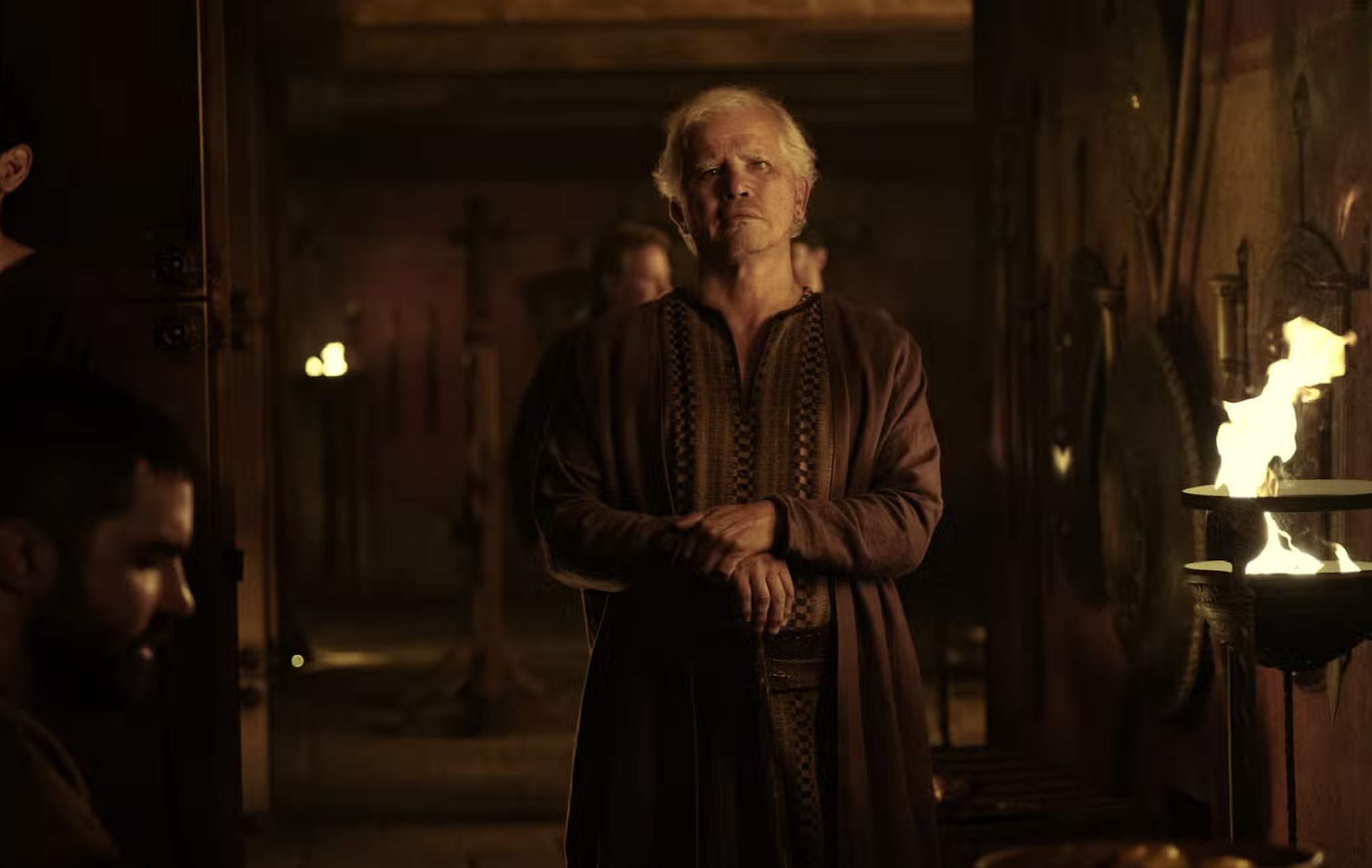
I have no qualms about the film's diverse casting, nor do I think it needed to feature an entirely Greek ensemble. My only reservation is that, given the size of the cast and the cultural significance of Homer's Odyssey, it felt like a missed opportunity to include more Greek actors alongside the international ensemble. This stood out to me because of my own connection to Greek culture. I grew up in the same household as my grandfather, a Greek immigrant whose favorite films were sword-and-sandal epics. Part of me believes he still would have enjoyed Nolan's The Odyssey despite the lack of Greek representation, as it certainly is not the first adaptation of Greek literature to feature non-Greek actors speaking English. Yet, I feel as though cinema has come a long way since the epics he watched every night, and this film represented an opportunity to embrace more meaningful representation. The star power attached to The Odyssey is colossal, but Christopher Nolan's name alone would have been enough to draw audiences to theaters. The film did not necessarily need such a massive A-list ensemble when that space could have been used to elevate lesser-known performers.
Source: Universal Pictures
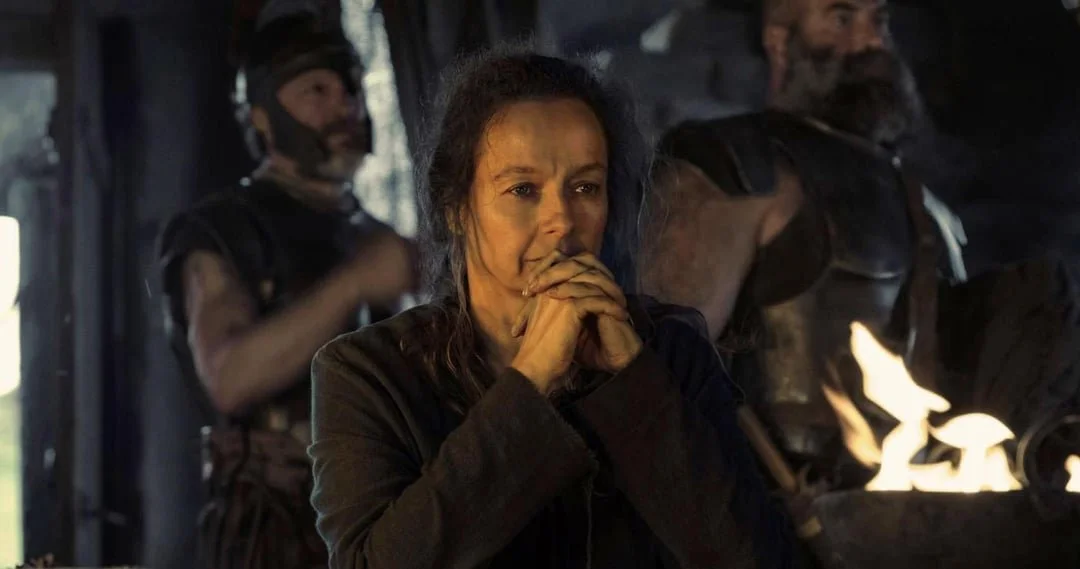
Casting lesser-known actors also could have strengthened the film's sense of immersion. The abundance of recognizable stars was distracting at times, as I found myself aware of the actors rather than fully absorbed in the world they inhabited. The costumes, hair, and makeup also did little to convince me that these characters belonged to another era. Instead of feeling transported to ancient Greece, I was always conscious that I was watching an adaptation of The Odyssey, as strong an adaptation as it may be. Samantha Morton as Circe and John Leguizamo as Eumaeus were the biggest standouts for me. Despite being well-known actors, they genuinely seemed to disappear into their roles. Their performances, along with the film's exceptional sound design, were among the elements that most effectively drew me into the world of The Odyssey.
Source: Universal Pictures
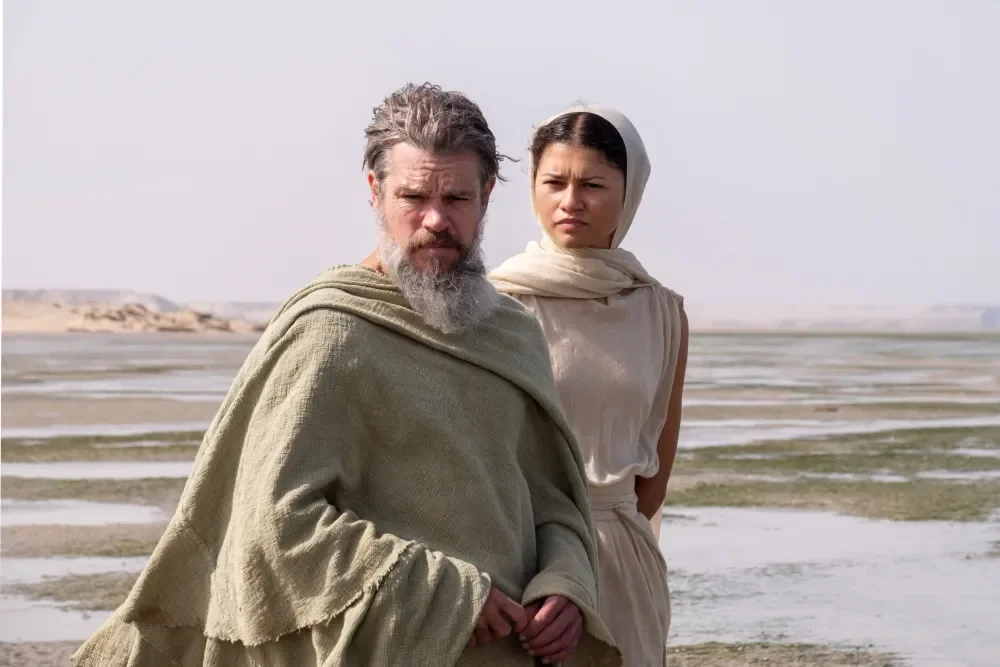
Despite the immense star power assembled for the film, many of the actors have relatively limited screen time. Zendaya's Athena feels somewhat underutilized. There were negative reactions to the casting of Elliot Page, but his role is brief despite Sinon's significance within the story. Lupita Nyong'o's dual casting as Helen of Troy and Clytemnestra was another controversial choice, yet she delivers captivating performances despite appearing in only a few scenes. Himesh Patel, however, is given plenty of room to shine, and his portrayal of Eurylochus is one of the film's most noteworthy performances.
While I seldom felt fully transported into the world of ancient Greece, the film's sound design came closest to creating that sense of immersion. The sequences at sea were particularly effective, as the crashing waves and roaring storms made it feel as though we were trapped in the chaos alongside Odysseus and his crew. Ludwig Göransson's score further heightens the intensity. The award-winning composer's work feels distinct from his previous film scores, blending anachronistically modern sounds with more classical influences to generate something entirely unique.
Source: Universal Pictures
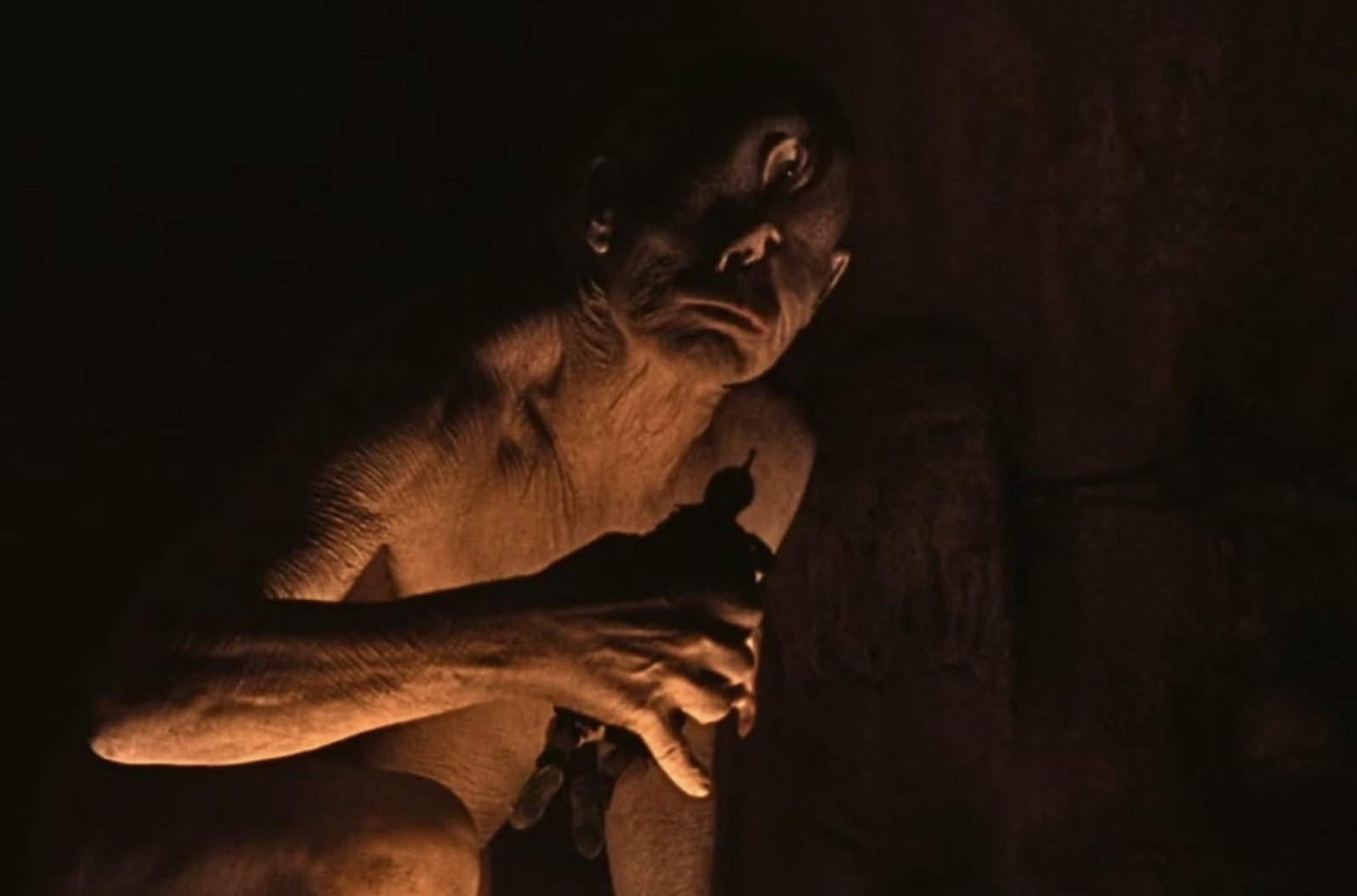
Hoyte van Hoytema's cinematography is as stunning as ever. However, I could not help but wish the film took more visual risks and embraced a more distinctive use of color. Nolan cited Akira Kurosawa's Ran (1985) as an influence, and one of the most memorable aspects of that film is its bold and expressive use of color. I understand that it is not fair to judge a film based on what it could have been rather than what it is, but given the scale and mythological nature of The Odyssey, I found myself wishing Nolan had experimented more with the visual style. The film is at its strongest when it leans into elements of the horror genre, with the encounter with Polyphemus (Bill Irwin), the cyclops and son of Poseidon, and Circe's witchcraft standing out as highlights. The creature design and visual effects in these sequences are outstanding. These dark, unsettling moments also demonstrate how Nolan's style could lend itself incredibly well to horror, and I would love to see him explore the genre someday.

Source: Universal Pictures
From a story standpoint, The Odyssey is one of Nolan's most straightforward films to date. At times, it feels like the CliffsNotes version of Homer's epic. While that may sound like a criticism, it is also one of the film's greatest strengths. Nolan takes a story often perceived as intimidating and arduous and translates it into a cinematic experience that welcomes viewers unfamiliar with Homer's epic. The film provides an excess of exposition, which makes it easily digestible for viewers who have never read the source material or have struggled to understand it. At the same time, that accessibility occasionally comes at the expense of thematic depth. By explaining so much of the story outright, Nolan sometimes leaves the film feeling too surface-level.
However, Nolan does take a few creative liberties with the source material. While some elements of Homer's Odyssey are absent, many of the epic's most significant plot points remain intact. Some of Nolan's strongest adaptation choices come from the ways he expands and develops certain characters. The story of Argos, Odysseus's loyal dog, is one of my favorite elements of Homer's Odyssey, and Nolan makes a couple of minor changes that I appreciated. He approaches one of the epic's most emotional sequences with remarkable sensitivity and care.
Source: Universal Pictures
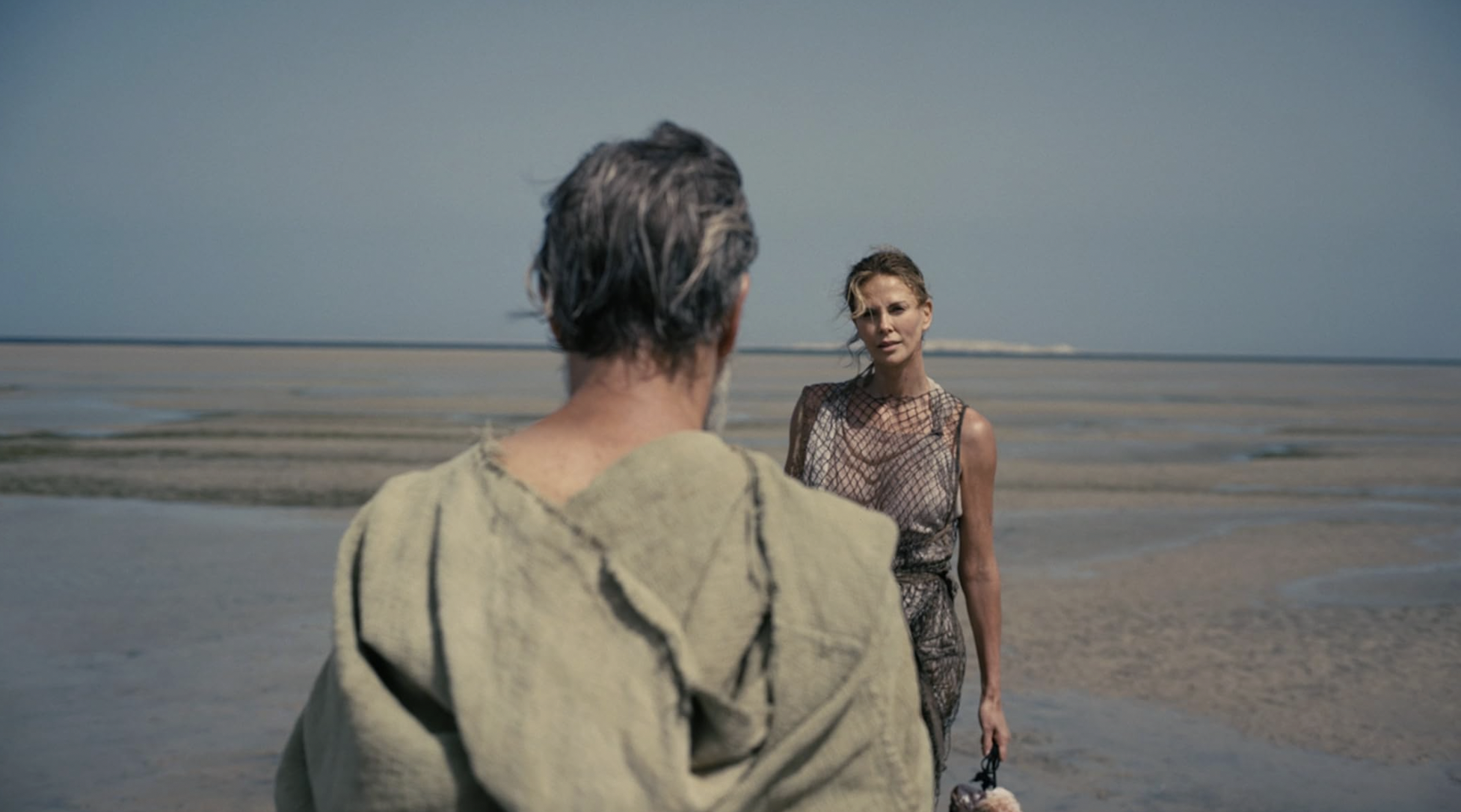
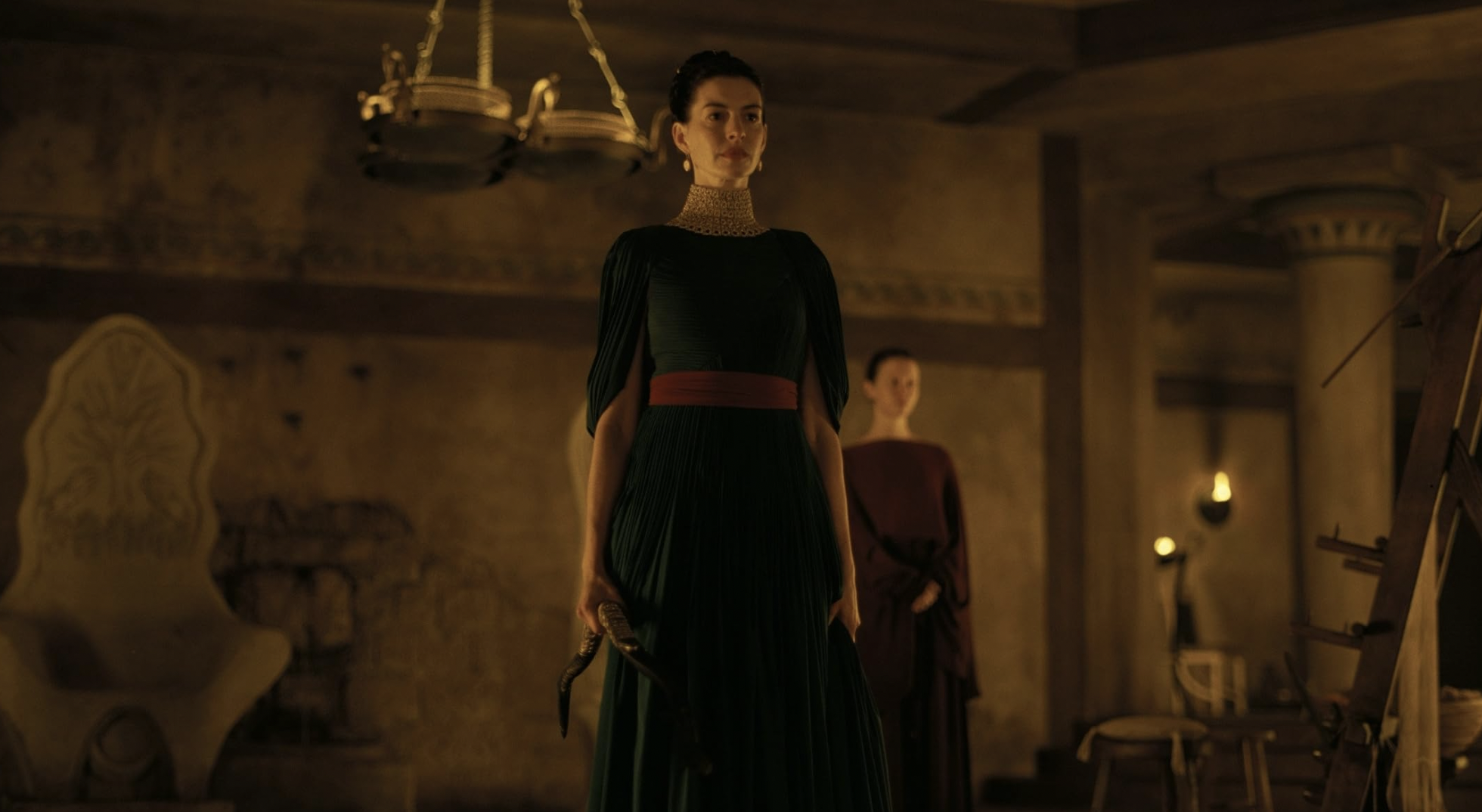
Nolan has previously received criticism for the way he writes female characters, but Homer had already crafted complex, nuanced women, particularly Penelope and the nymph Calypso (Charlize Theron). Nolan’s adaptation recognizes the depth already present in the source material and brings those qualities to the forefront. He avoids reducing Penelope to simply the loyal wife waiting for Odysseus’s return or portraying Calypso as merely another obstacle in his journey.
If there is one area where Nolan undeniably succeeds, it is in capturing the magnitude of Homer’s epic. The Odyssey is a story built around gods, monsters, armies, and perilous journeys, and Nolan understands how to translate that sense of grandeur to the big screen. The film is enormous in scope, preserves many of the original narrative’s most significant beats, and presents the story in a way that feels engaging for modern audiences. If I had not been familiar with the source material, the film’s final act likely would have blown me away. Nolan carefully builds anticipation and tension throughout the film, culminating in a powerful and satisfying conclusion. While I knew where the story was heading, I could still appreciate the craftsmanship behind creating such a monumental cinematic payoff.
Source: Universal Pictures
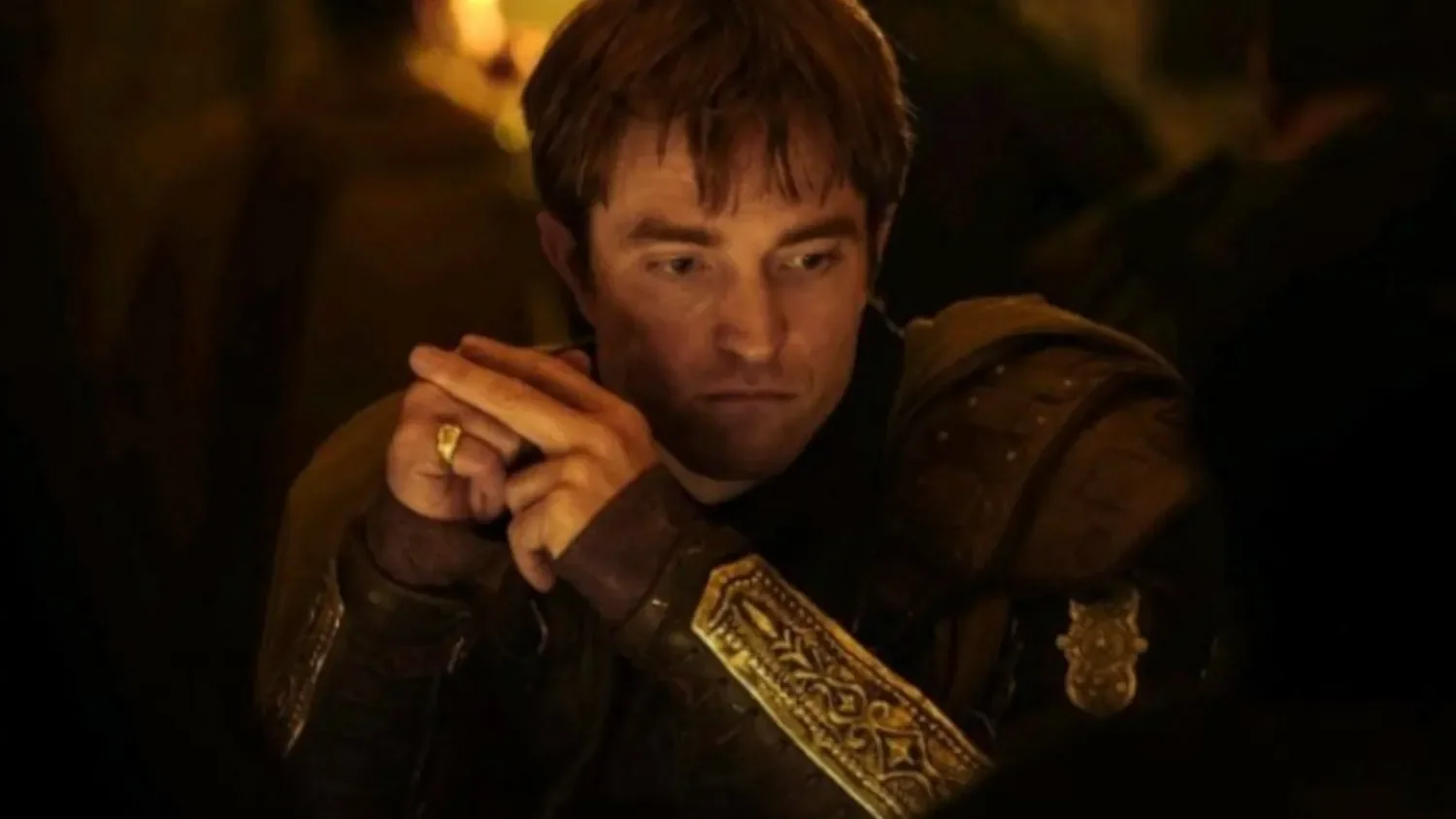
Nolan seems more interested in the action and adventure of The Odyssey than in fully unpacking its philosophical themes, which means the film remains consistently entertaining even when it does not explore the deeper implications of its ideas. Characters repeatedly reference Zeus’ law, making the conflict between hospitality and human cruelty emerge as one of the film’s most prominent themes. The Odyssey examines how kindness and generosity can become vulnerabilities when exploited by those who consider compassion a weakness. Characters often take advantage of Penelope’s adherence to xenia, especially Antinous (Robert Pattinson), one of her most aggressive suitors, and Melantho (Mia Goth), one of her servants.
Source: Universal Pictures
Ultimately, The Odyssey is a remarkable achievement, but it is not without its flaws. Christopher Nolan successfully crafted a technically impressive adaptation that captures the scale and spectacle of Homer’s epic while making one of literature’s most formidable works accessible for mainstream moviegoers. At its best, the film is a grand cinematic adventure that explores the darker aspects of human nature while telling a timeless tale of loyalty, resilience, hospitality, and longing for home. However, by streamlining the source material for modern audiences, Nolan occasionally sacrifices some of the story’s philosophical depth and complexity. I do think audiences would be more critical of The Odyssey if it had been directed by someone other than Christopher Nolan. While many place Nolan on a pedestal and treat his films as though they are impervious to criticism, his own film warns against looking for gods in men. Christopher Nolan is not infallible, nor would he want to be treated as such. He is a talented and ambitious filmmaker whose movies do not need to be masterpieces to be meaningful.
The Odyssey hits theaters on July 17, 2026.