Late Fame — Review
Source: Magnolia Pictures
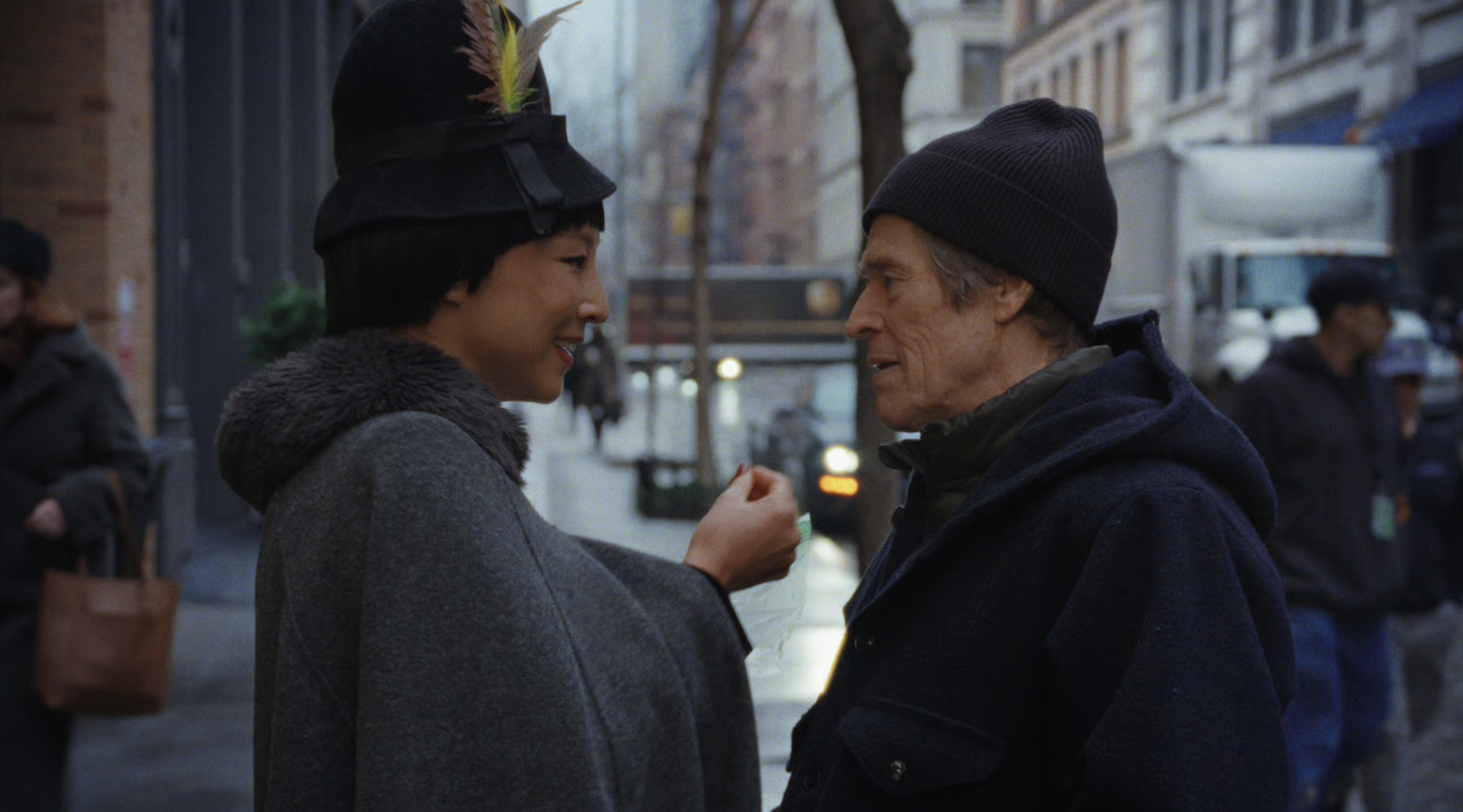
Kent Jones' Late Fame is a quiet indie drama that seems simple on the surface but has so much to say about art, aging, fame, and generational divides. Based on Austrian author Arthur Schnitzler's posthumously published novella of the same name, Samy Burch's screenplay transports the story to modern-day New York City. This is not the first time a Schnitzler novella has been reimagined as a story set in contemporary New York; Stanley Kubrick's Eyes Wide Shut (1999) similarly transformed Schnitzler's Dream Story into a modern city setting. Both adaptations demonstrate the enduring relevance of Schnitzler's themes across different time periods and countries. The publication history of Late Fame itself creates an intriguing parallel with the film's central premise. Schnitzler wrote the novella in 1894–1895, but it remained unpublished until 2014. Likewise, the film follows a poet whose work goes unrecognized until decades after it was written. Willem Dafoe stars as that poet, Ed Saxberger, and his performance is the glue holding Late Fame together.
Source: Magnolia Pictures
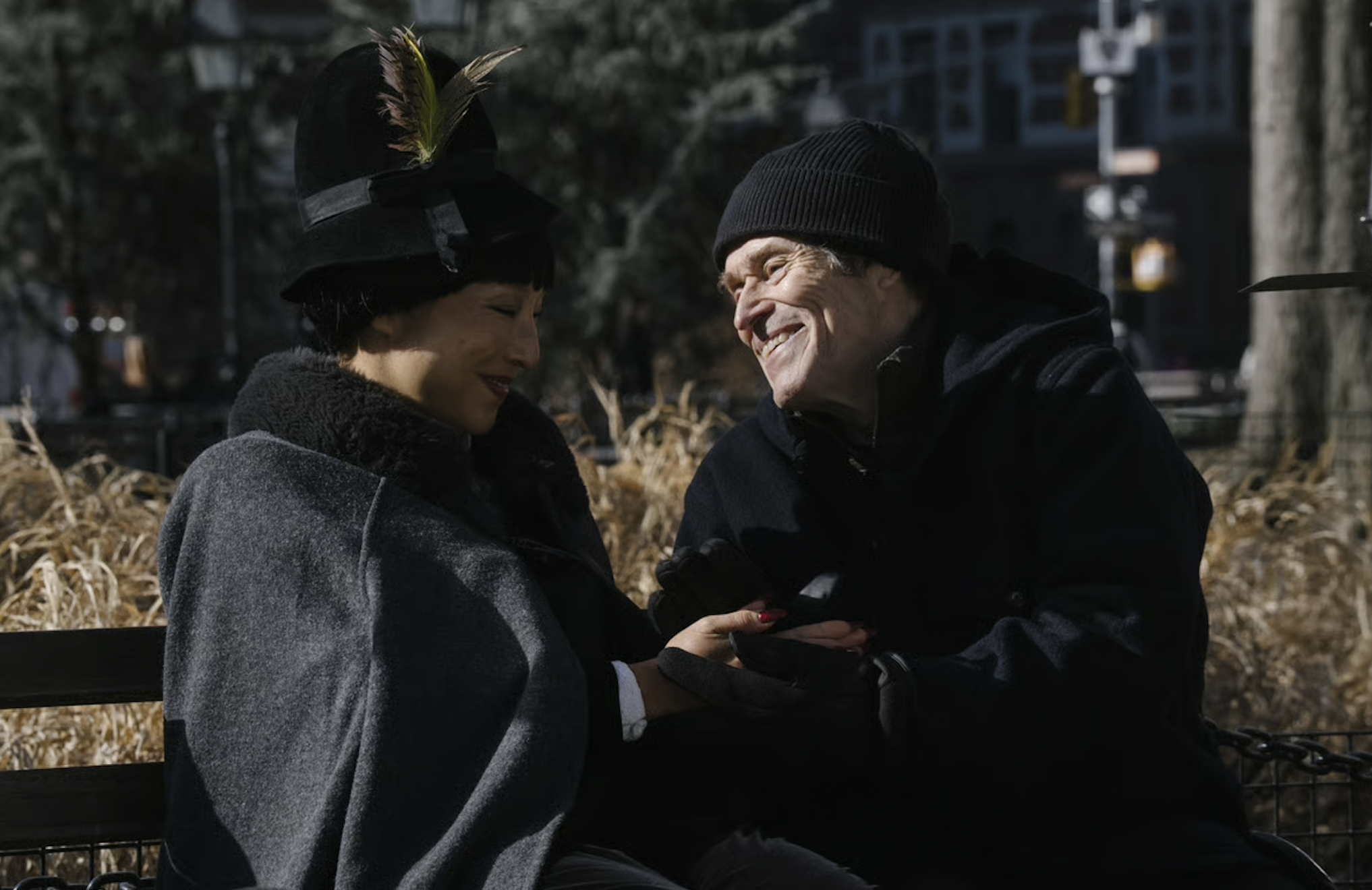
Saxberger once published a book of poetry titled Way Past Go. However, he has since abandoned his literary aspirations and opted for a career as a postal worker. Everything changes when he meets Meyers (Edmund Donovan), an overeager young man who happens to be a huge admirer of Way Past Go. Meyers invites Saxberger to join a group of young creatives he calls the “Enthusiasm Society." Before Saxberger's arrival, the society consists almost entirely of affluent, aspiring male writers in their twenties, much like Meyers himself. The lone exception is Gloria (Greta Lee), a vivacious musical theater actress whose lively personality stands out from the rest of the group.
Source: Magnolia Pictures
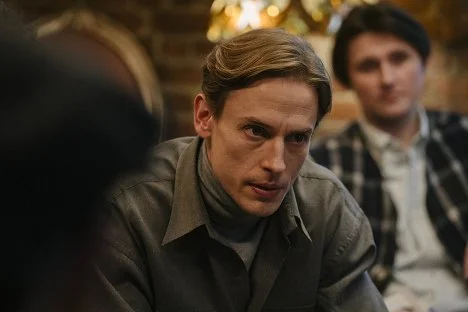
The members of the Enthusiasm Society are unbearably pretentious, but that is by design. We're not supposed to like them; we're meant to find their behavior laughable. Through these characters, Late Fame satirizes a generation full of contradictions. They see themselves as superior to influencers because they reject modern technology, yet as soon as no one else is around, Meyers talks to his Amazon Alexa device. They pride themselves on being ambitious artists, yet they live in lavish homes paid for by their parents. They see themselves as uniquely talented, but they're almost indistinguishable from one another. Through these contradictions, Late Fame argues that performative individuality often leads to conformity.
Source: Magnolia Pictures
There’s also a fascinating juxtaposition between the young men in the Enthusiasm Society and Saxberger, highlighting the film’s generational divide. Saxberger is not pretending to be a poet; he wrote poetry because he felt compelled to create. Meanwhile, the members of The Enthusiasm Society seem more concerned with how others perceive them than the work that they create. Gloria serves as a bridge between these two generations. She possesses the eagerness, ambition, and desire for recognition of the younger generation, but she also seems more passionate and sincere like Saxberger.
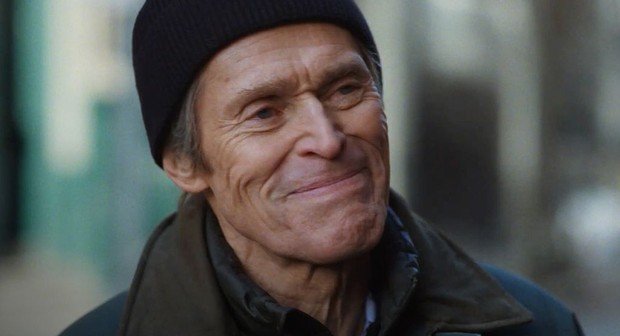
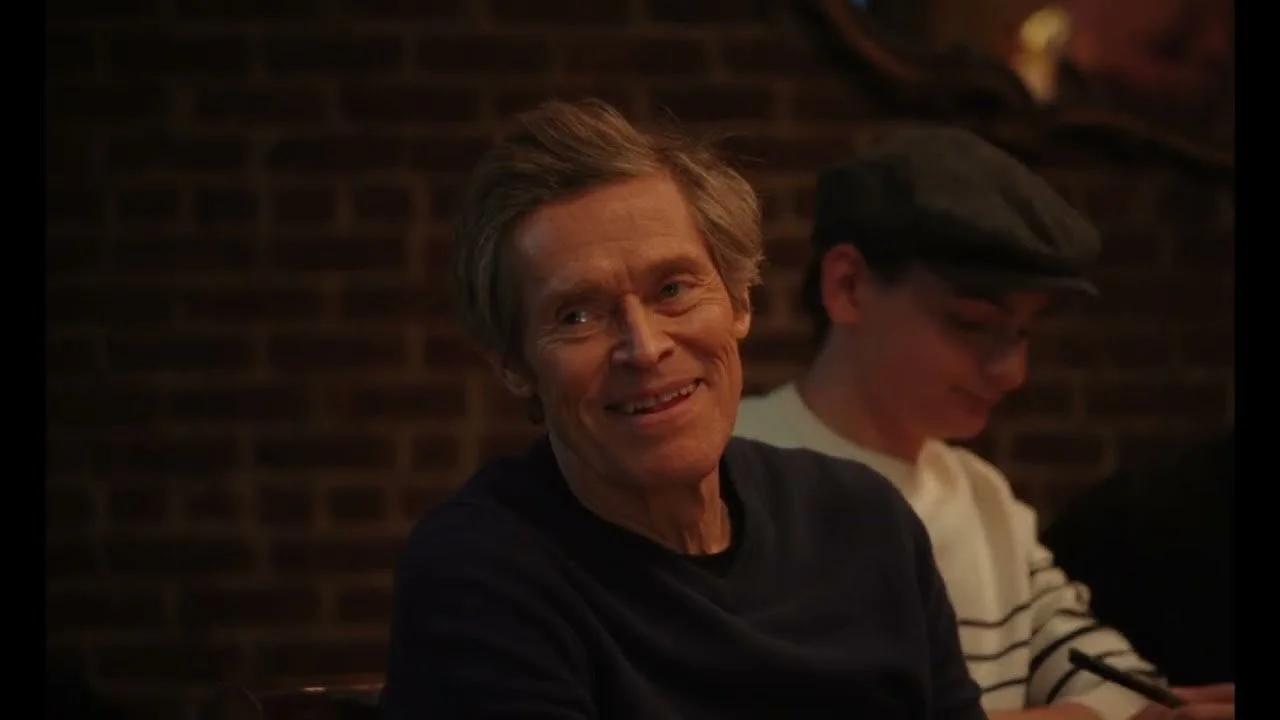
Late Fame is a charming slice-of-life movie that also serves as a love letter to New York. The screenplay is clever and witty, but the film’s greatest strength is Willem Dafoe. His gentle, understated performance truly elevates the material, capturing Saxberger’s uncertainty as he navigates the strange experience of gaining recognition later in life. In a film that explores the difference between creating art and performing the persona of an artist, it’s fitting that Dafoe plays Saxberger with such sincerity.
Source: Magnolia Pictures
Dafoe’s performance is what makes Late Fame stand out. For all its relevant social commentary, particularly about art and artistic identity, the film does not feel especially ambitious from a filmmaking standpoint. Its direction and visual style are restrained, and it lacks the kind of cinematic flourishes that might allow it to leave a more lasting impression. However, much like Saxberger himself, Late Fame is quiet and reserved, inviting audiences to appreciate its subtle observations rather than demanding attention.
Late Fame will be released in select theaters in New York City on August 7, 2026, before expanding to Los Angeles on August 14th, with more cities to follow.